

Navgraha Steels INC supplies selected carbon steel, boiler and pressure-vessel steel, sour-service steel, chrome-moly alloy steel and corrosion-resistant nickel alloys for industrial, fabrication and project requirements. Products may be available as plates, sheets or coils, depending on grade, thickness, dimensions, condition, quantity and sourcing route.
Used for fabricated equipment operating under specified pressure and temperature conditions. Grade, heat treatment, toughness requirement and supplementary testing must follow the design code and project specification.
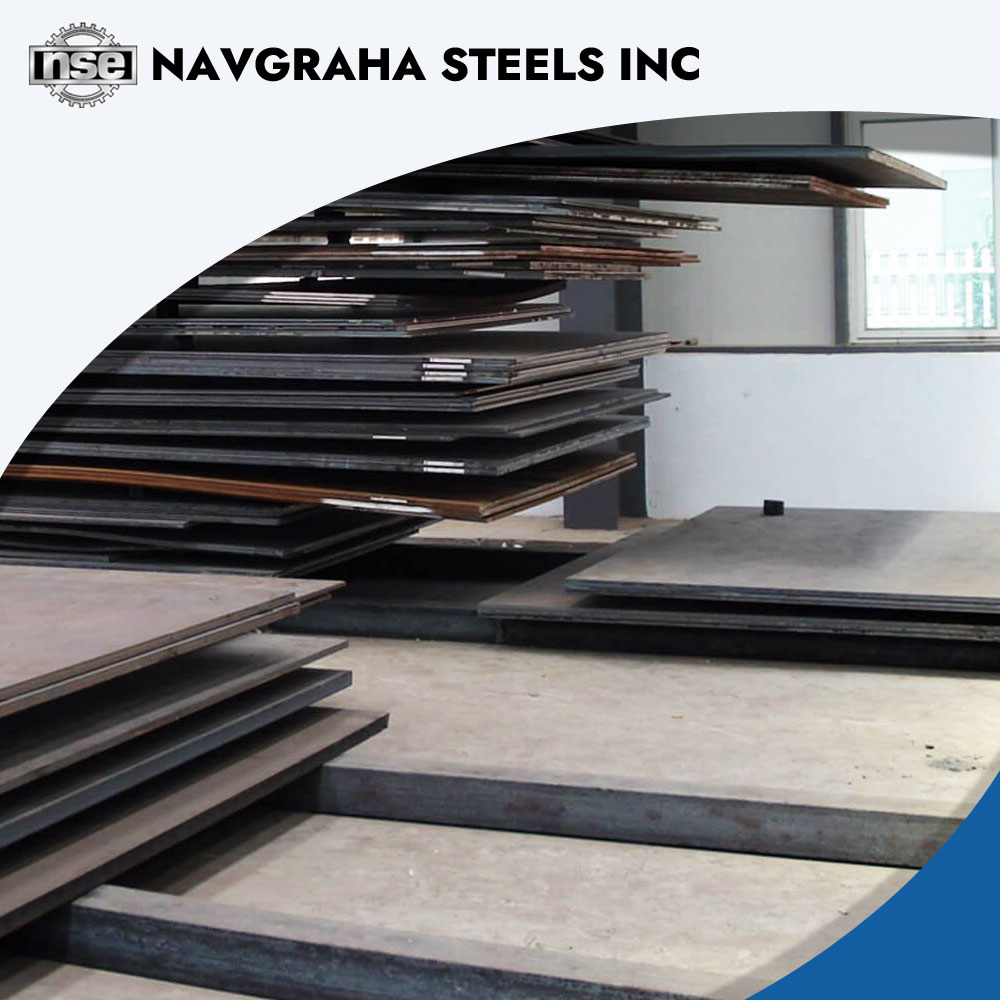
A widely specified pressure-vessel quality carbon steel for boilers, vessels, tanks, heat exchangers and process equipment operating within the grade's applicable service conditions.
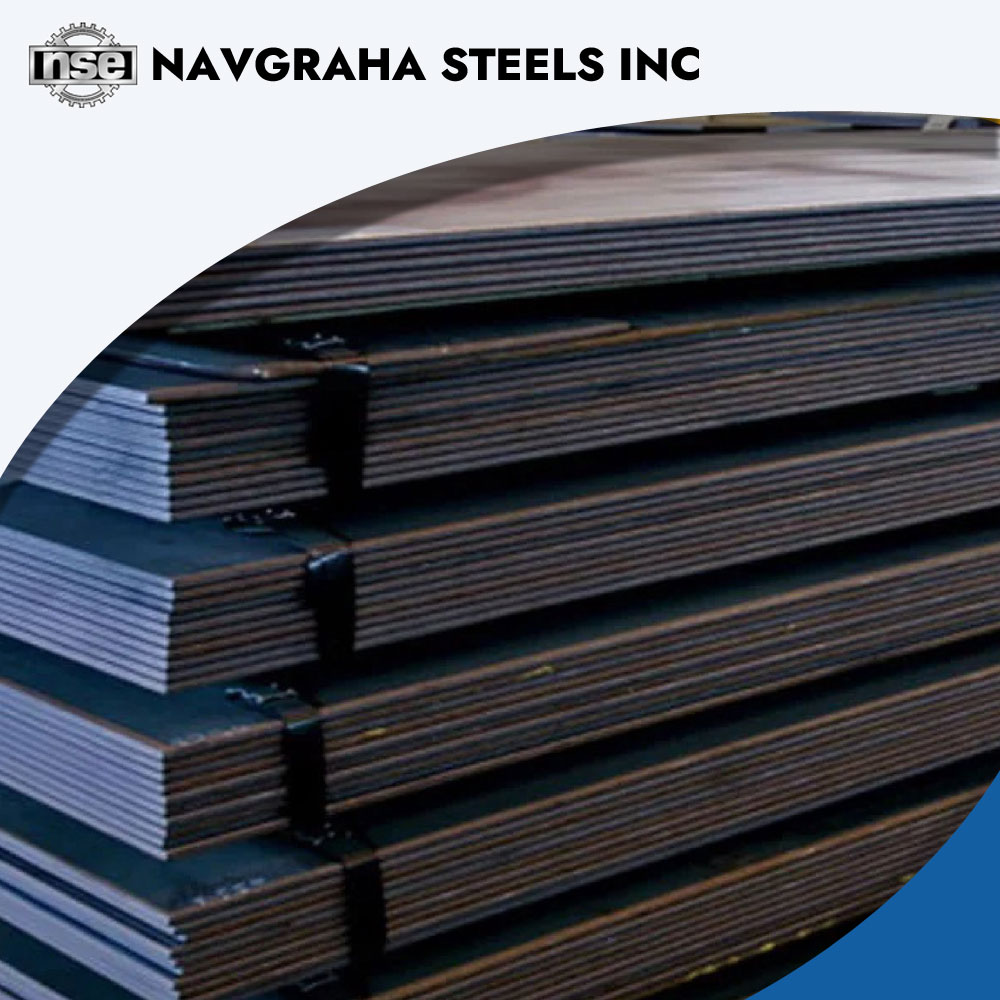
Pressure-vessel quality carbon steel offering a different strength range from Grade 70. Selection should follow the approved design specification, thickness and required mechanical properties.
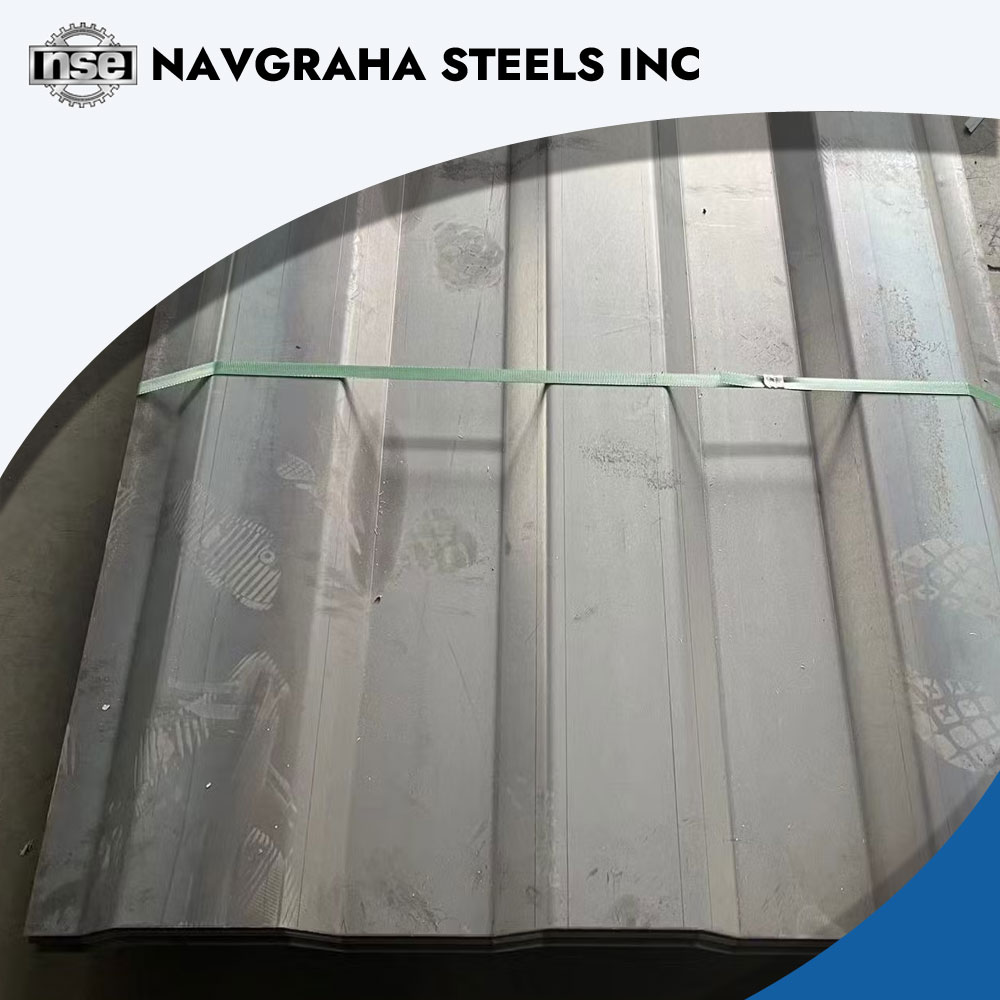
Material certified to satisfy the applicable requirements of both Grade 60 and Grade 70 when supported by the specific mill certificate and test results. Verify dual certification against project approval requirements.
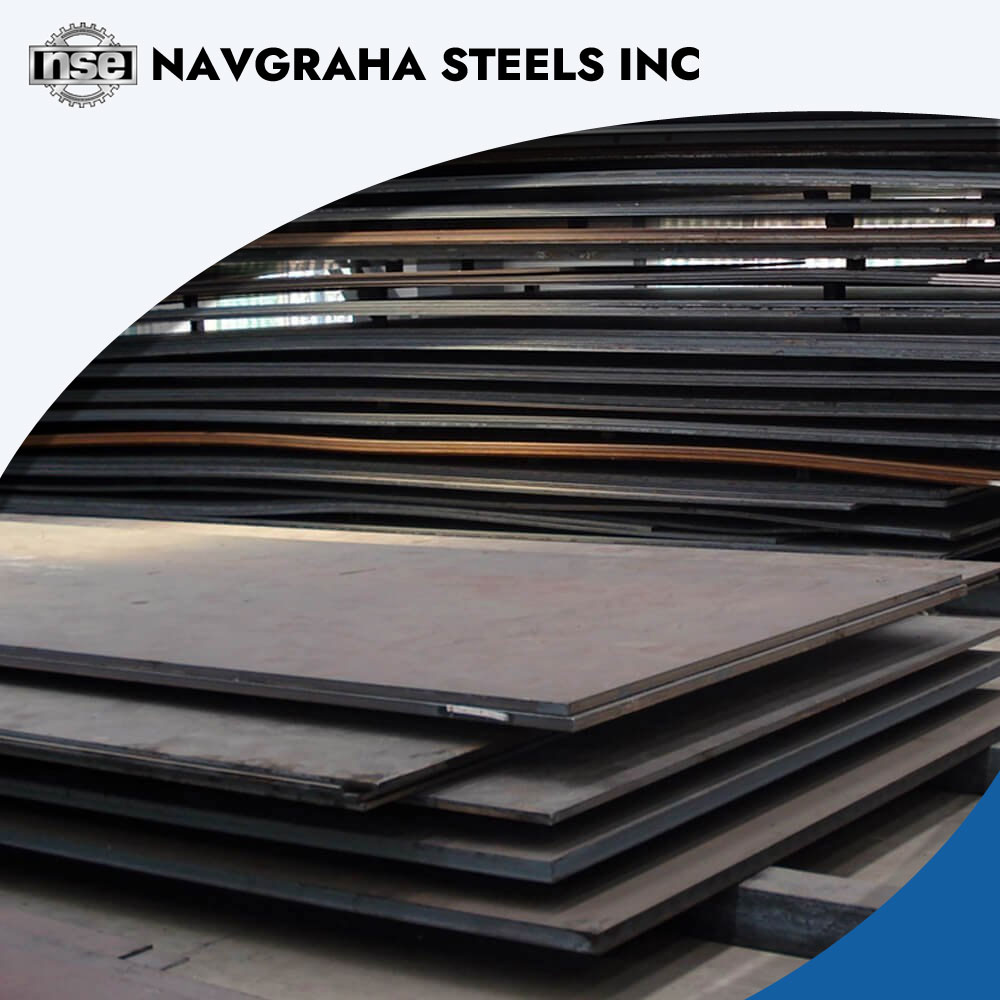
Metric-designation pressure-vessel steel supplied for applicable boiler, vessel and equipment fabrication requirements. Confirm the governing standard, edition and required condition in the RFQ.
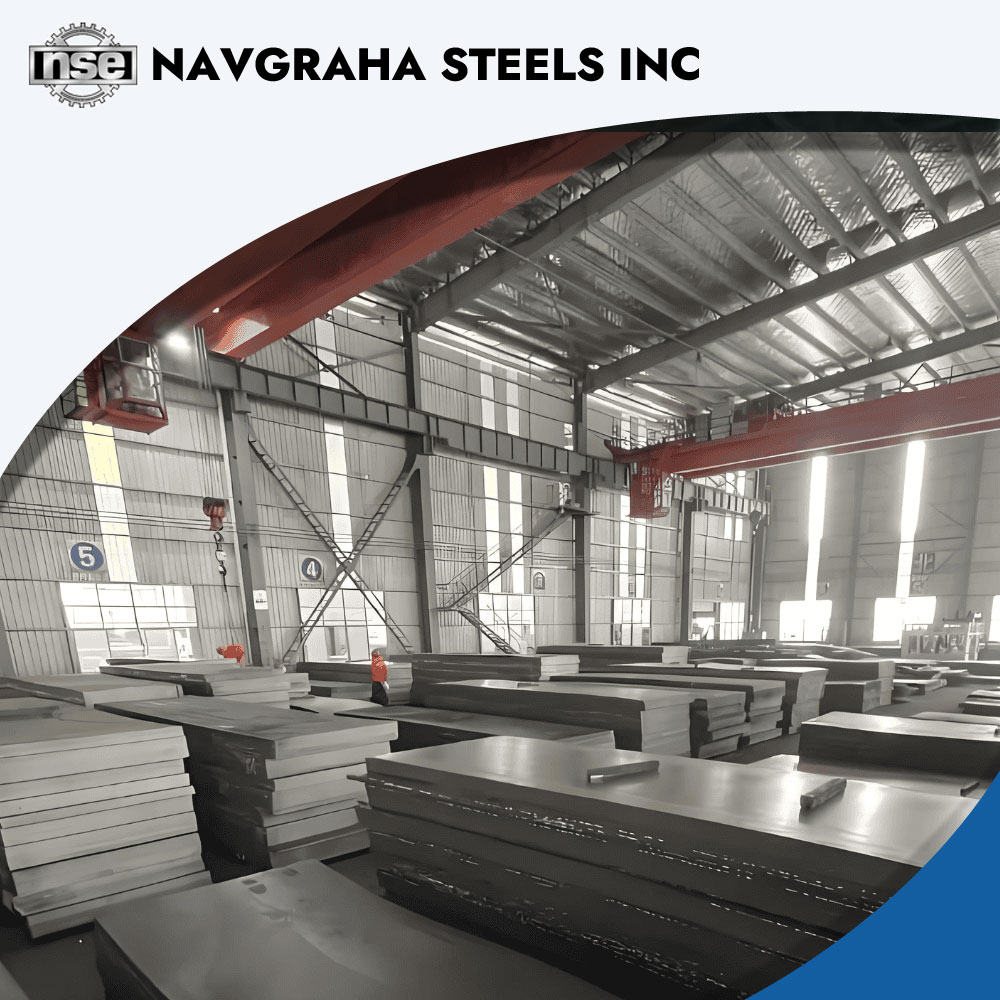
Metric-designation pressure-vessel steel for specified pressure-containing equipment. Availability and supply condition depend on required dimensions, impact properties and project documentation.
Sour-service material requires more than a grade name — state the applicable NACE standard, HIC test method, test solution, acceptance criteria, heat treatment, thickness and project-specific supplementary requirements.
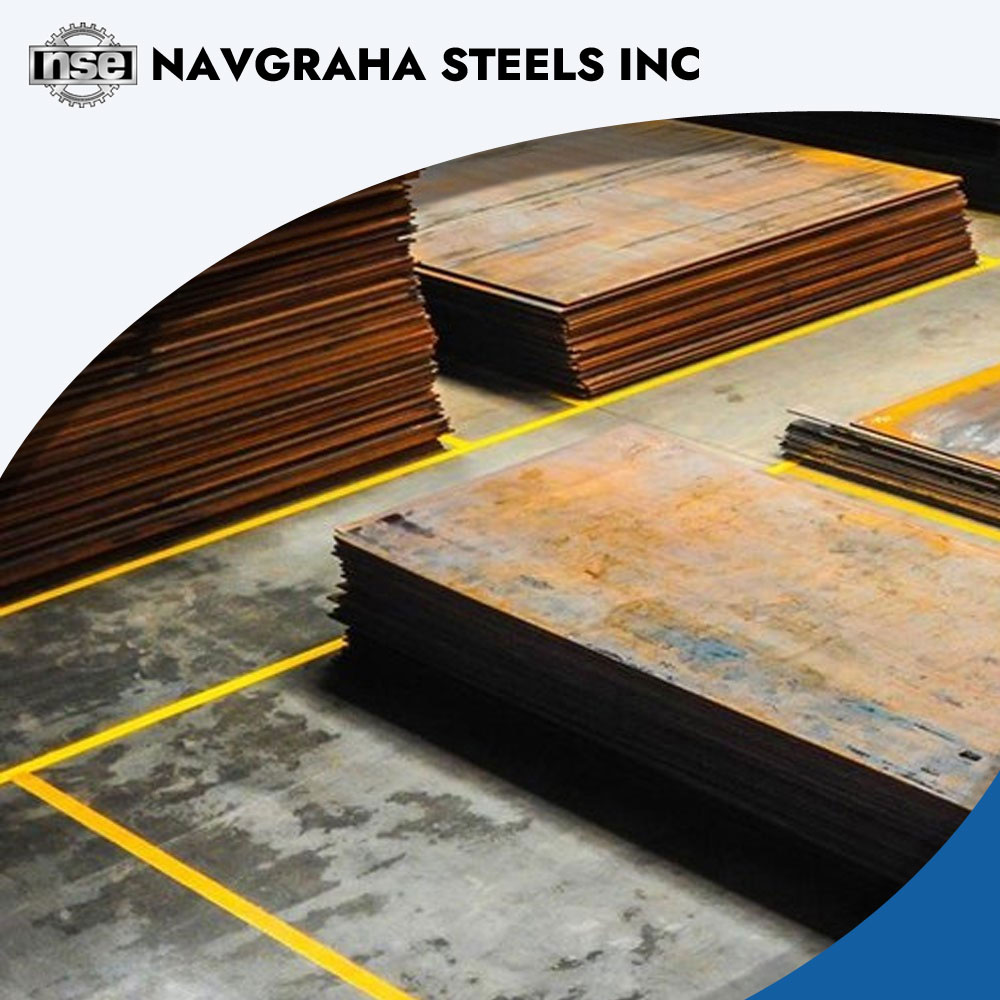
SA 516 Grade 70 material supplied for specified sour-service requirements where chemical, mechanical, hardness, heat-treatment and documentation conditions are demonstrated by the applicable material records.
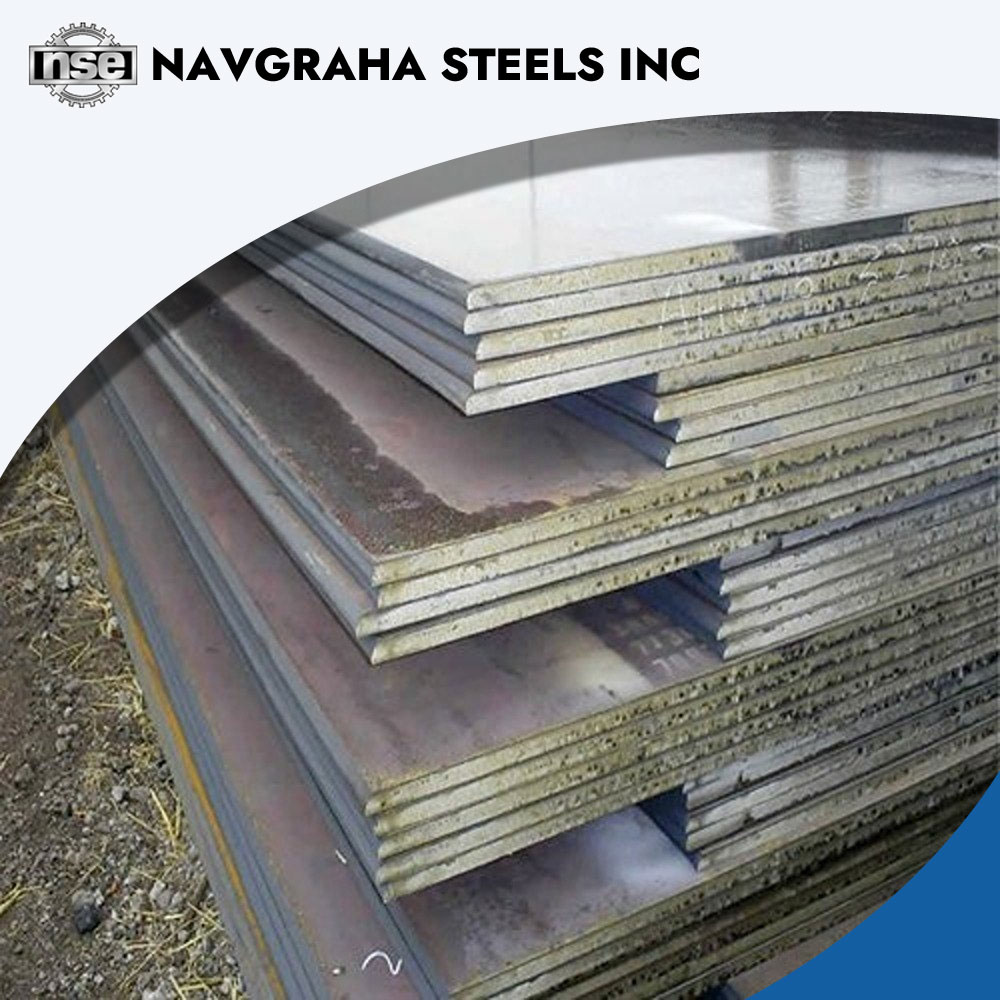
SA 516 Grade 70 material ordered with hydrogen-induced cracking testing to the stated test procedure and acceptance criteria. HIC test reports and material traceability should be defined before order placement.
Supports general fabrication, machinery, tanks and structural applications where the selected standard and grade meet the design and fabrication requirements.
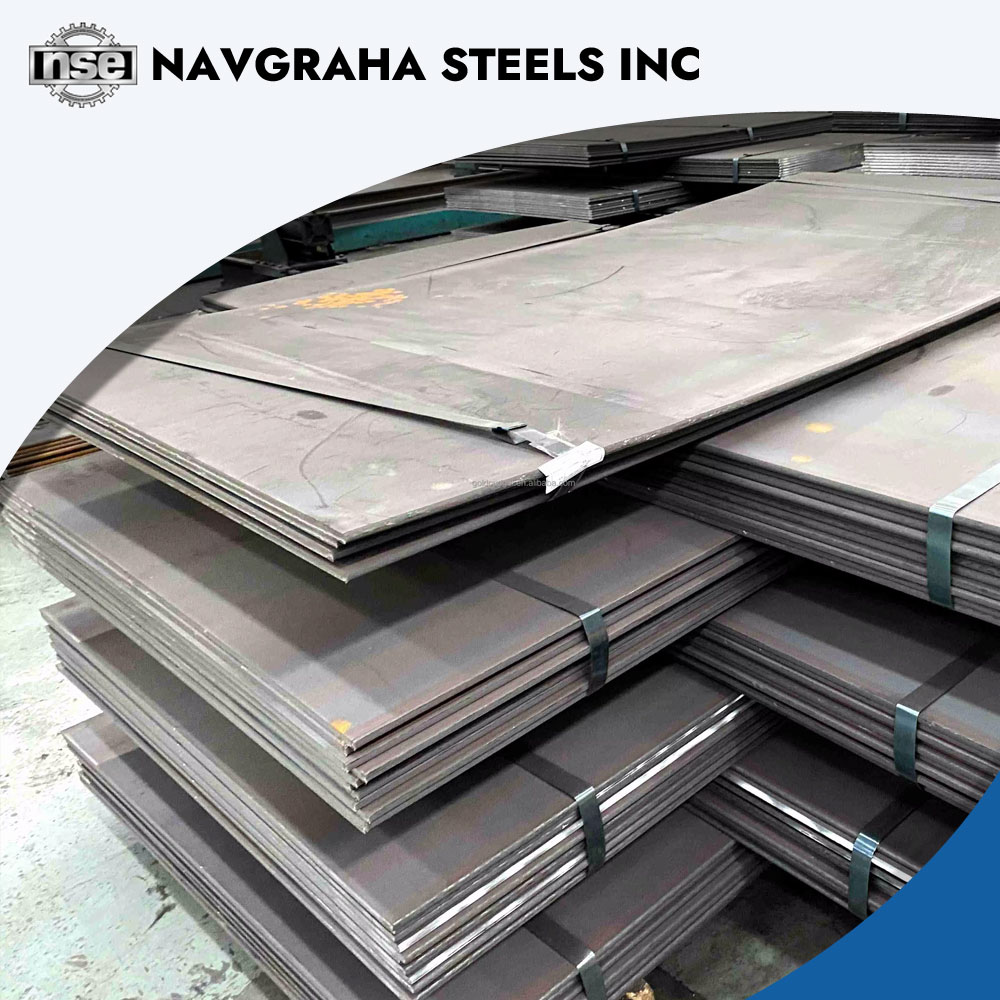
General-purpose carbon structural steel commonly specified for fabricated components, base plates, machinery parts, platforms and structural work. Mechanical properties and permissible forms depend on the governing specification and thickness.
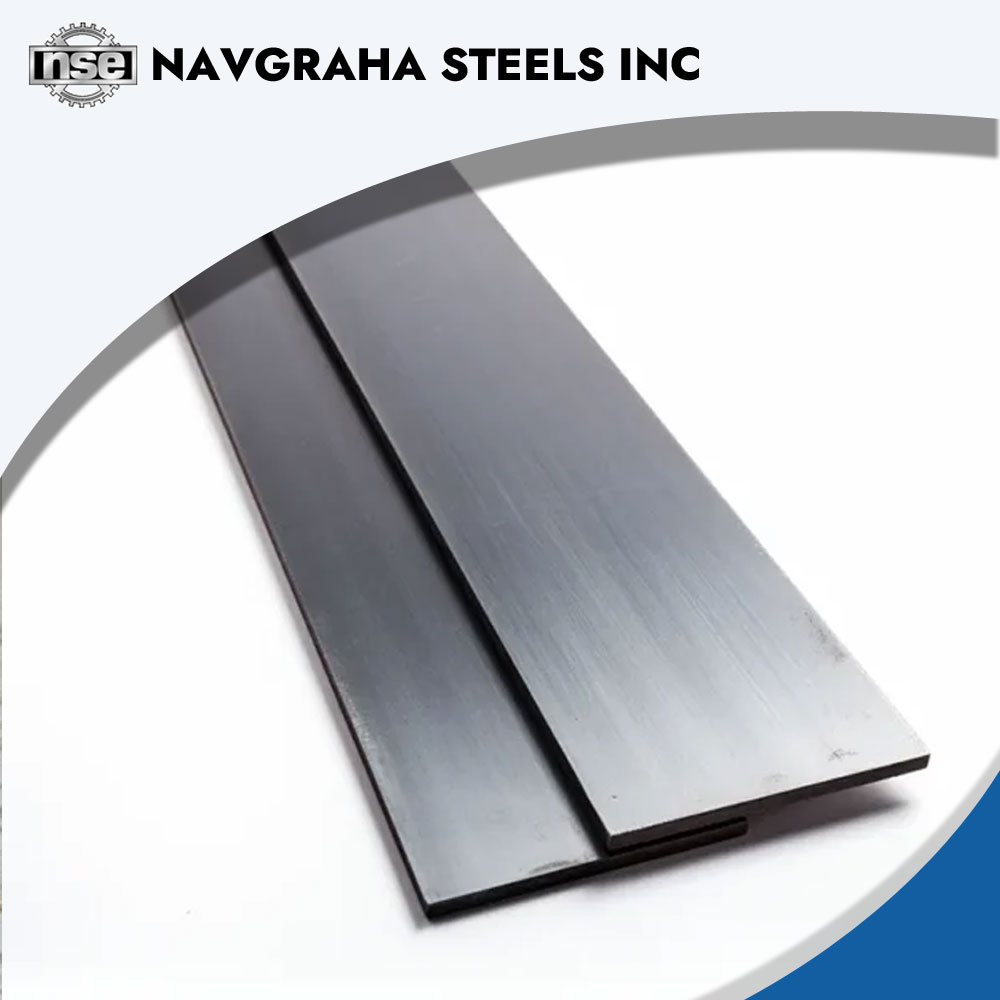
EN structural steel grade used for general engineering and structural fabrication. State the required EN standard, product form, thickness, dimensions and inspection documentation when enquiring.
Selected for boilers, refinery equipment, reactors, pressure vessels and process systems operating at elevated temperatures. Grade selection must consider design temperature, pressure, creep properties, heat treatment and code requirements.
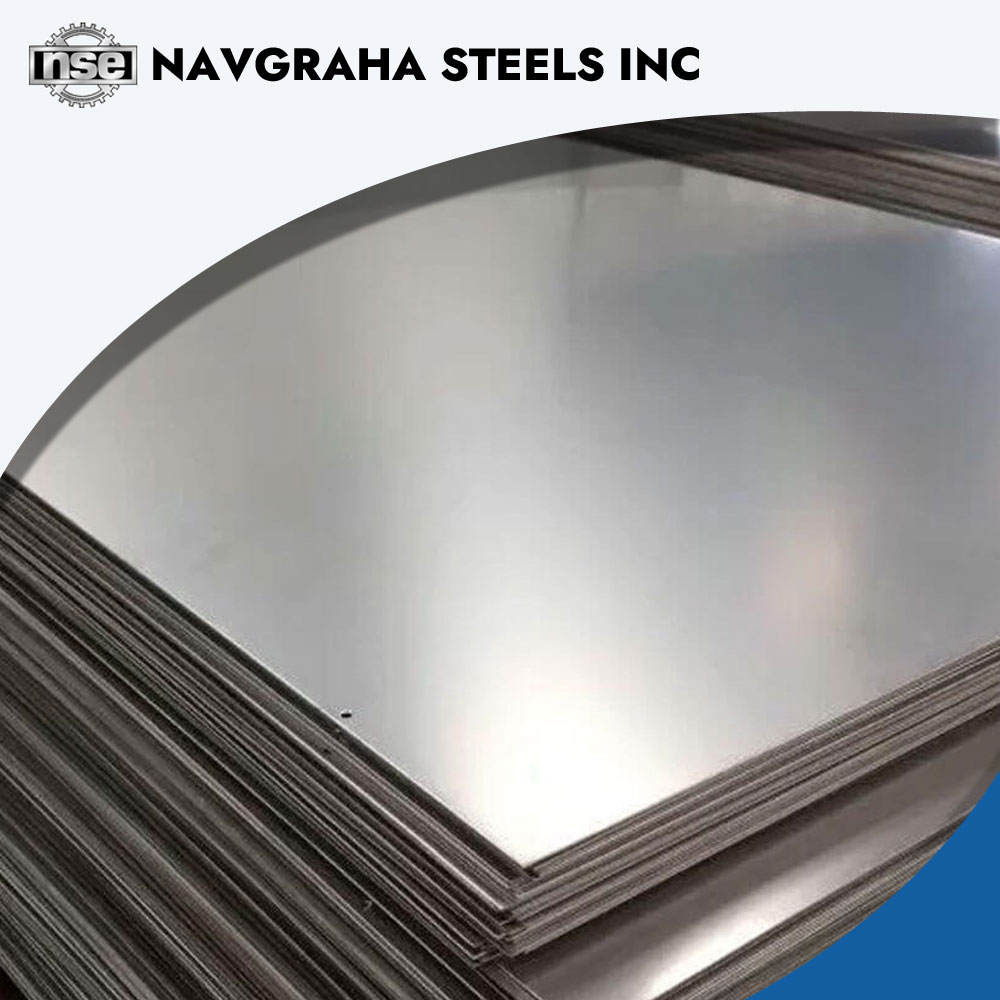
Chromium-molybdenum alloy steel for applicable elevated-temperature pressure equipment, refinery units and process vessels. Class 2 requirements and heat-treatment condition must be confirmed in the order specification.
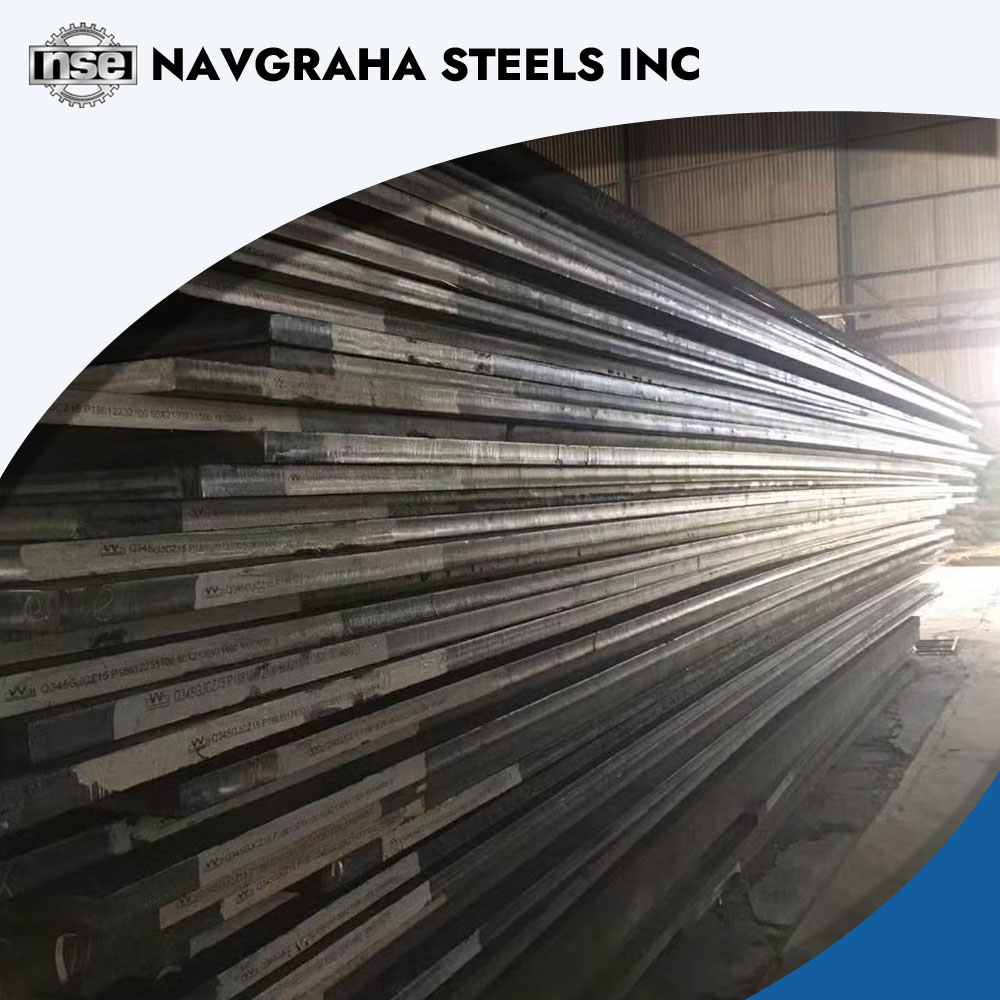
Chrome-moly alloy steel with a different chromium-molybdenum composition from Grade 11, used for specified high-temperature and pressure-service equipment.
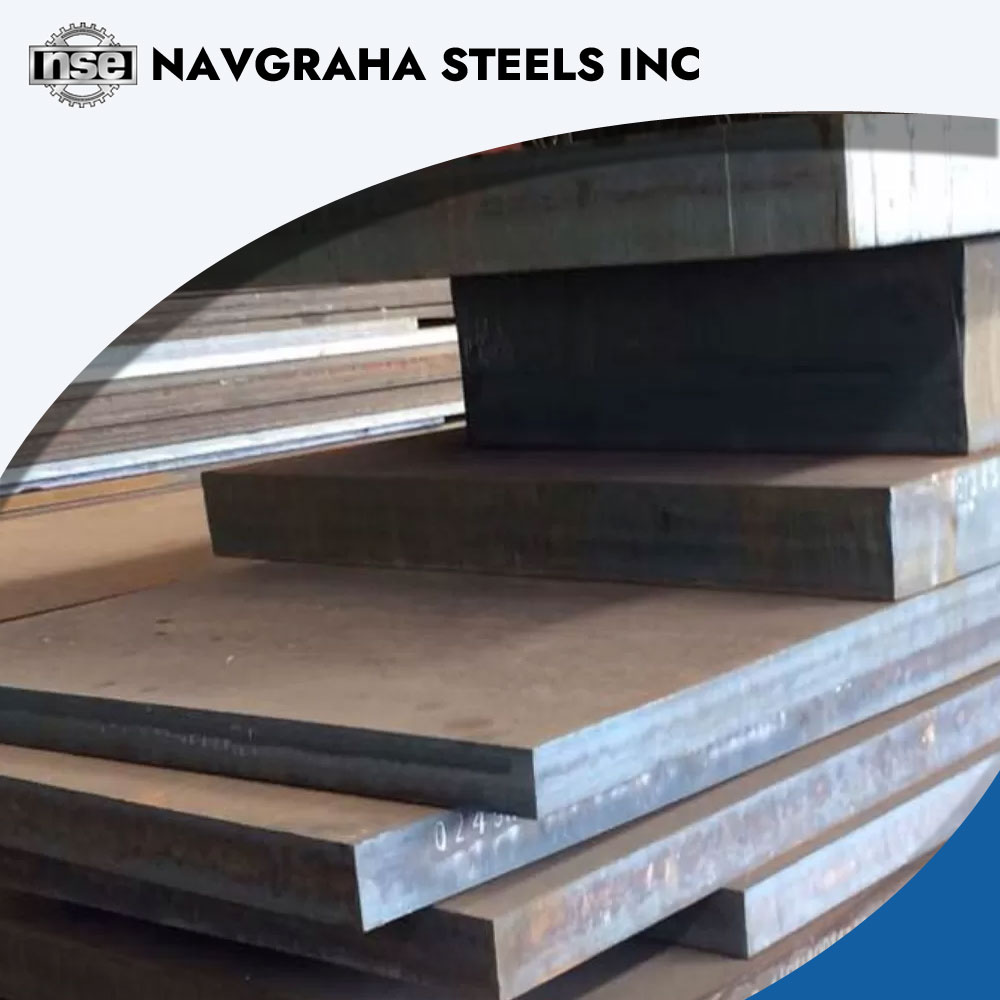
High-alloy creep-strength-enhanced material for demanding elevated-temperature equipment. Procurement and fabrication require careful control of material condition, welding, heat treatment and traceability.
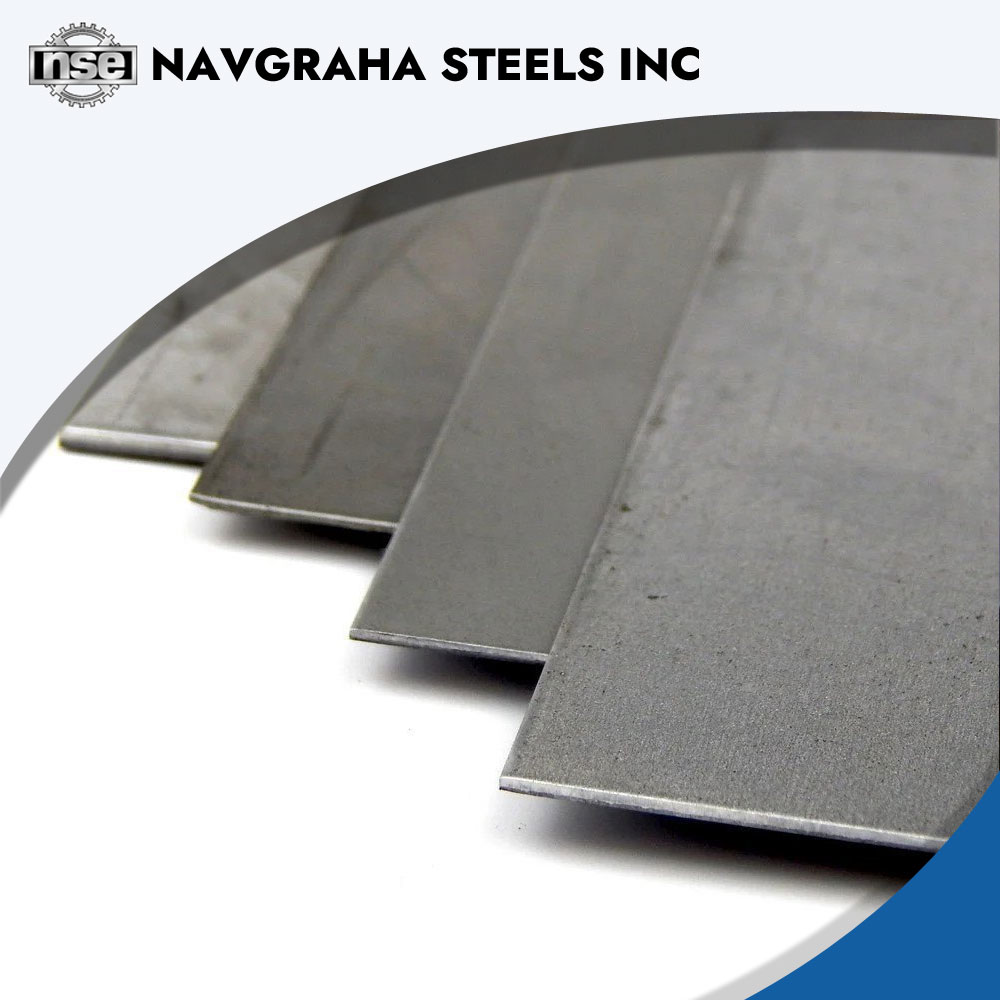
Chromium-molybdenum pressure-vessel steel for specified elevated-temperature service. Confirm class, heat treatment, mechanical testing and supplementary requirements.
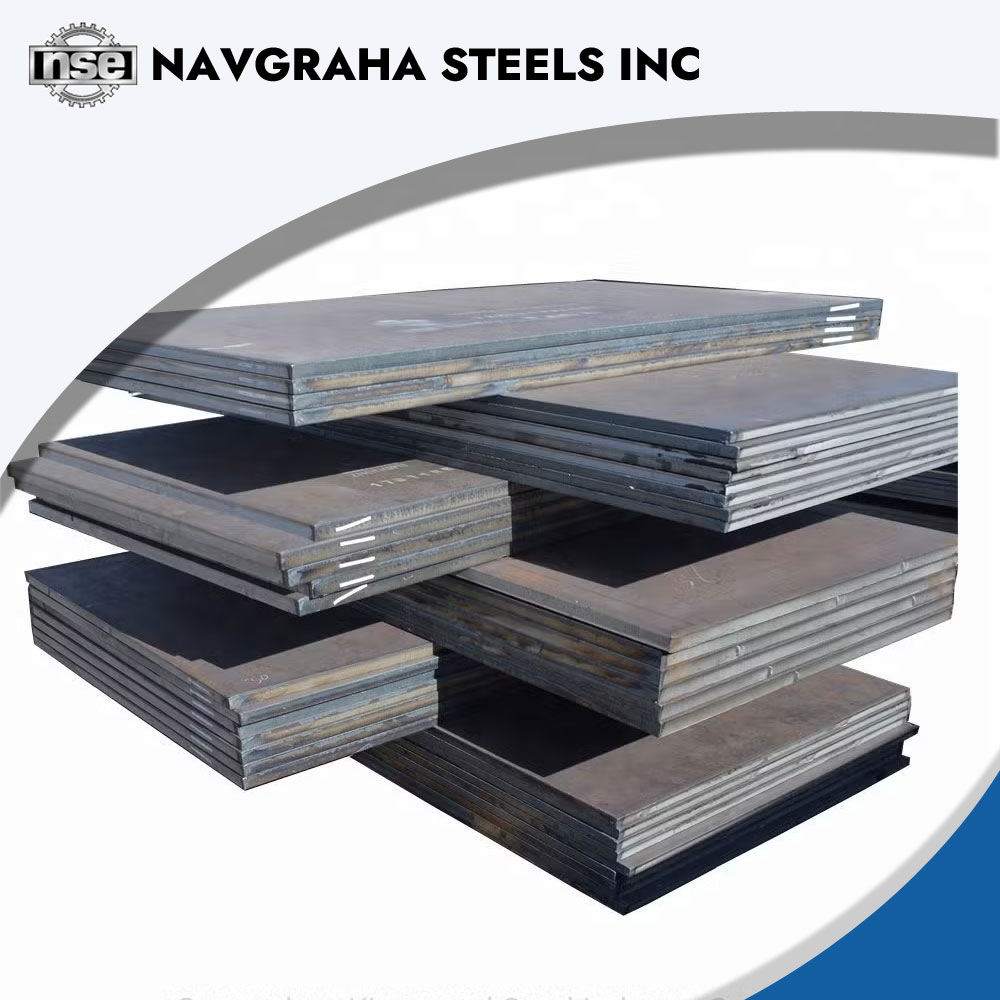
EN 10028 molybdenum-alloy pressure-equipment steel used for applicable boiler, vessel, heat-exchanger and power-sector fabrication. Not automatically interchangeable with an ASME grade; equivalence requires engineering approval.
Selected for particular combinations of corrosive media, chloride exposure, temperature, pressure and fabrication requirements. Final selection should be confirmed by the project materials engineer.
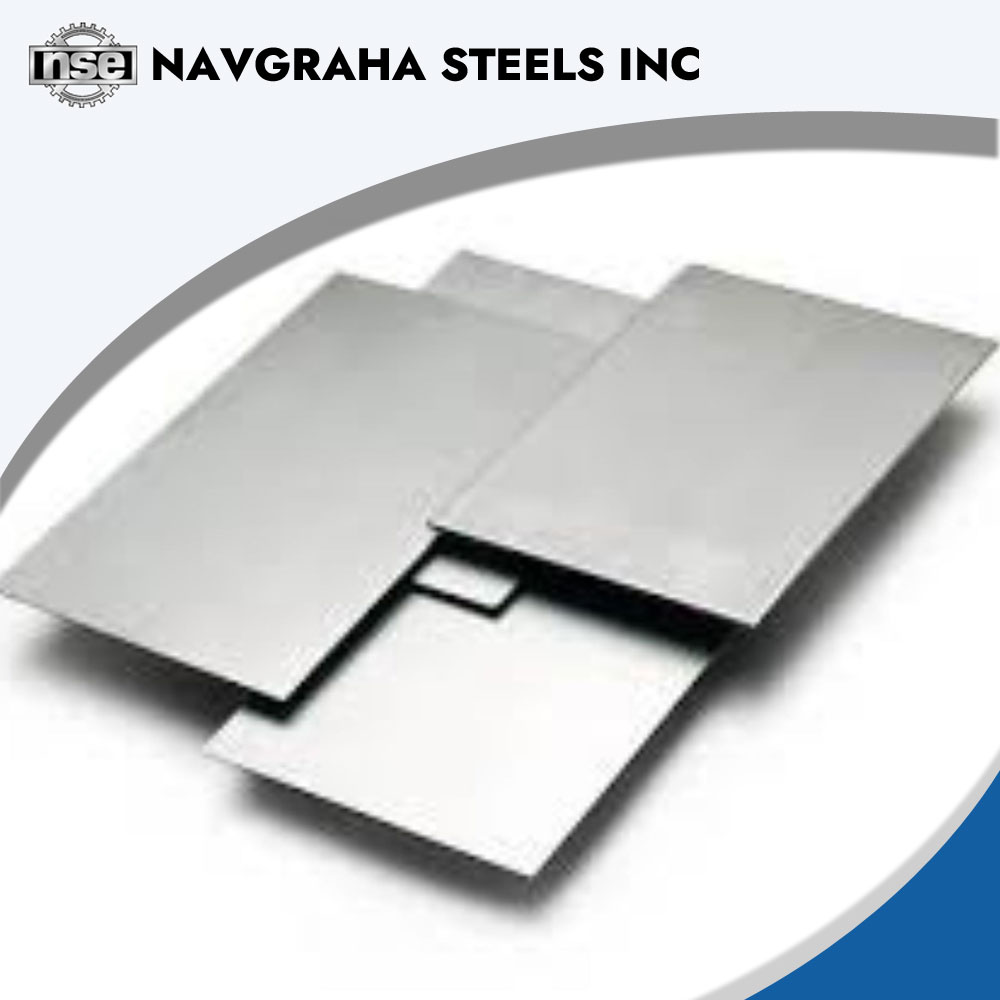
Nickel-molybdenum-chromium alloy used in many severe chemical-processing, pollution-control, marine and process-equipment environments where its corrosion profile is suitable.
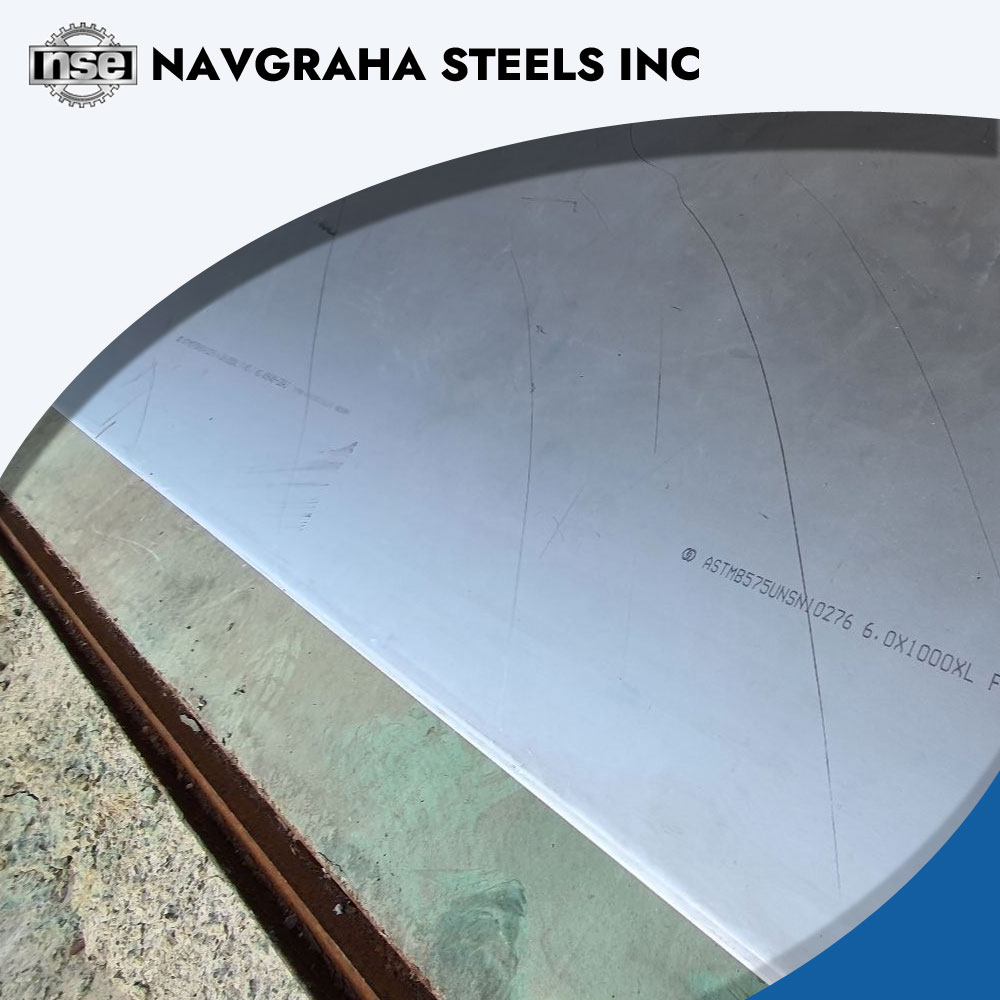
Nickel-chromium-molybdenum alloy selected for specified oxidising and reducing chemical environments. Should not be treated as a universal substitute for C276.
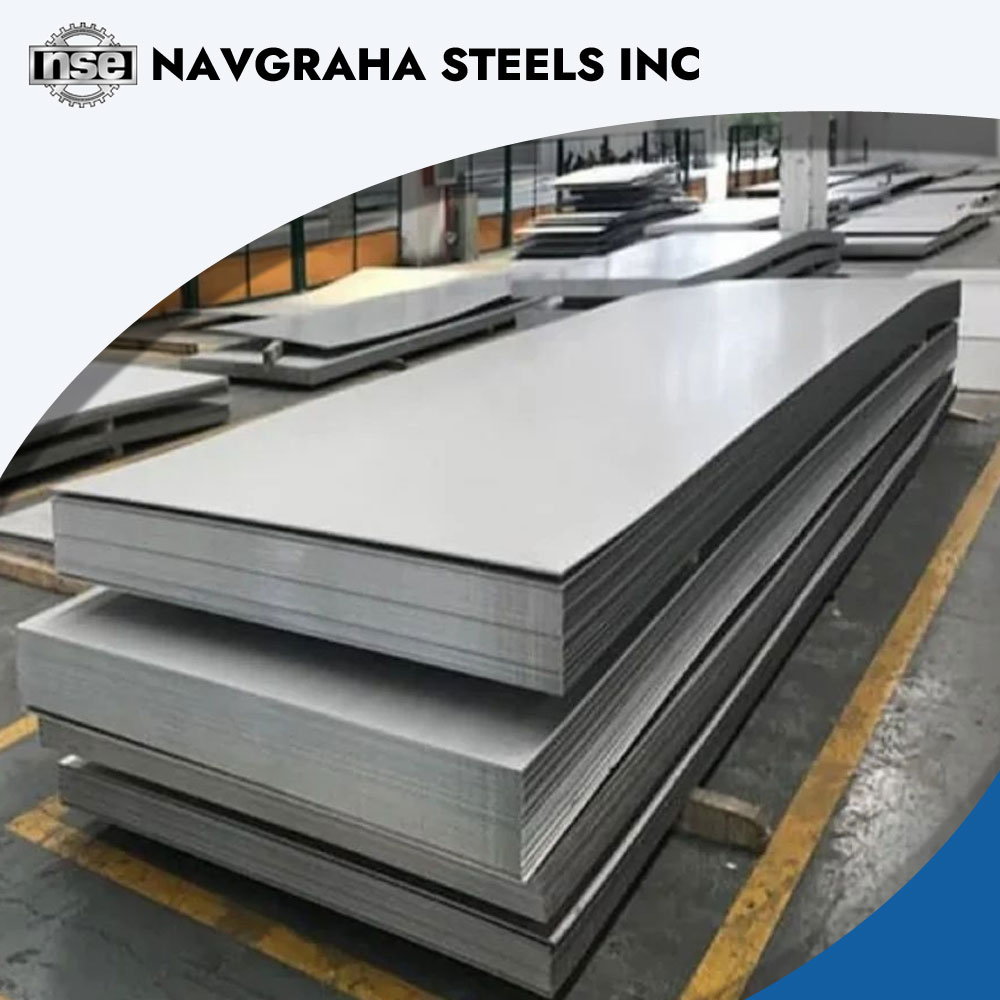
Nickel-chromium-molybdenum-niobium alloy used for applicable marine, offshore, chemical-processing and high-temperature requirements where strength and corrosion resistance are required.
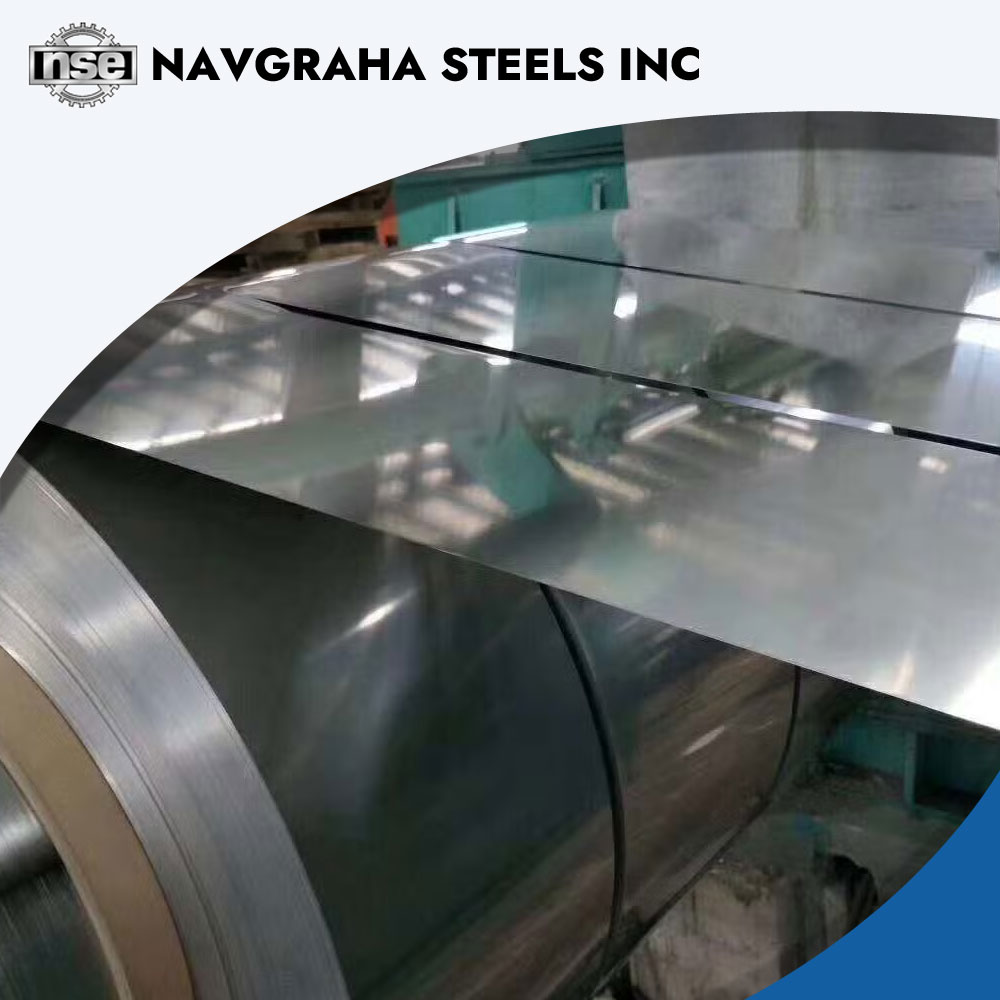
Nickel-iron-chromium alloy with molybdenum and copper, selected for certain acid, chemical-processing, pollution-control and oil-and-gas environments.
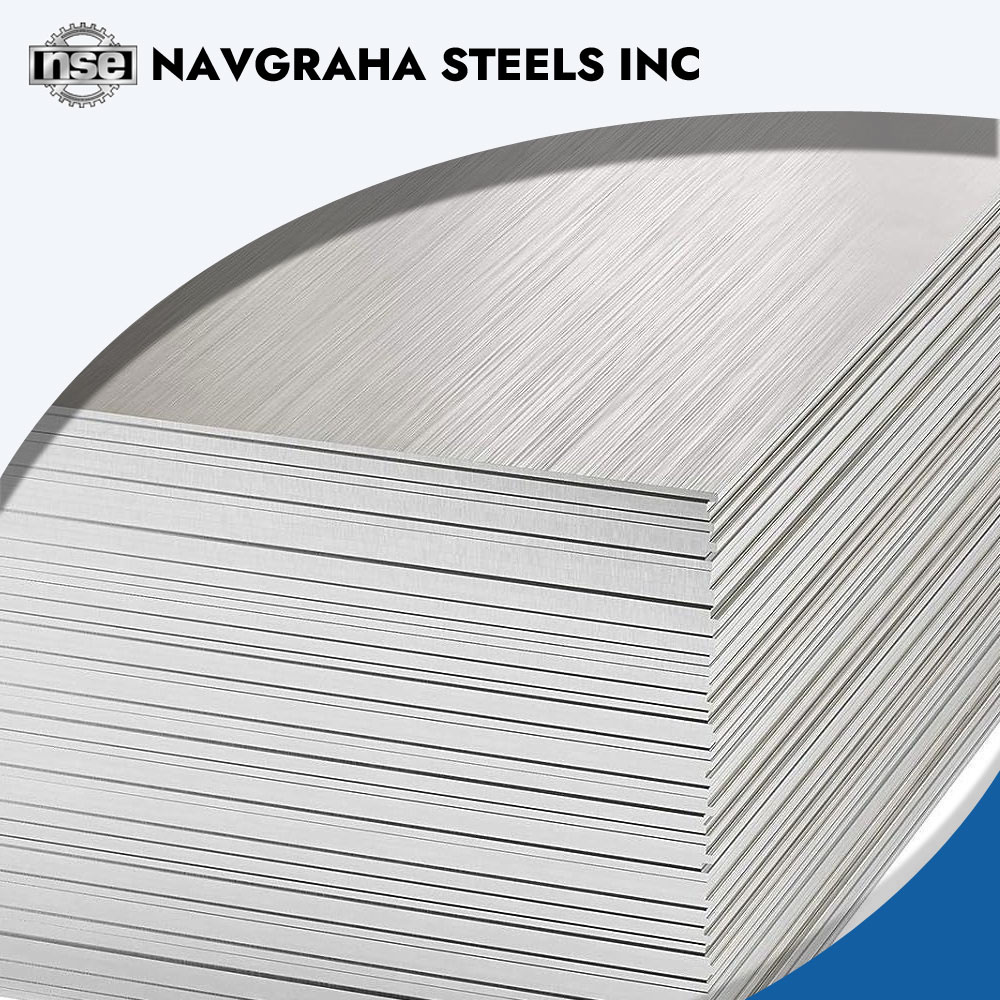
Nickel-copper alloy used in selected marine, chemical, alkali and process applications. Suitability depends on the actual medium, temperature and operating conditions.
| Requirement | Supply Capability |
|---|---|
| Plates | Full-size or processed plates according to grade, thickness and commercial availability |
| Sheets | Standard or cut-size sheets where the required grade and gauge are available |
| Coils | Full coils or slit-coil requirements according to grade, width, thickness and minimum quantity |
| Processing | Cutting, slitting, marking, edge preparation or other processing where technically and commercially feasible |
| Sourcing | Available stock, domestic mill sourcing or imported sourcing according to the approved requirement |
| Packing | Domestic or export packing based on product form, transport method and agreed scope |
Depending on the material, manufacturer and agreed order scope, supply may include a manufacturer material test certificate, heat-number traceability, chemical and mechanical test results, and EN 10204 Type 3.1 documentation. Type 3.2 certification, laboratory testing, ultrasonic testing, impact testing, HIC testing, IBR-related documents, PED-related requirements or other supplementary records must be specified and confirmed before ordering.
Third-party inspection by agencies such as SGS, Bureau Veritas, TÜV, Lloyd's Register or DNV may be arranged when nominated, accepted and included in the commercial scope. Inspection does not replace the buyer's responsibility to specify the applicable standard, acceptance criteria, witnessing stages and document requirements.
Prices vary with grade, dimensions, quantity, mill, origin, testing, processing, documentation, packing and logistics. If an exact product is unavailable, no alternative grade or condition should be accepted without written engineering or project approval.