

Navgraha Steels INC supports chemical-processing enquiries for pressure-vessel steel, chrome-moly steel and selected nickel-alloy flat products. The right material depends on the actual chemical, concentration, temperature, pressure, chlorides, oxidising or reducing conditions, impurities, flow, fabrication route and governing project specification. India and export enquiries are reviewed against the complete material requisition.
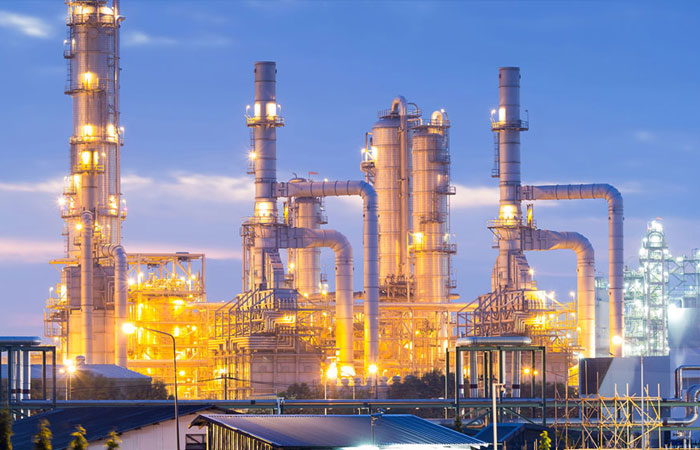
Chemical plants use reactors, columns, pressure vessels, heat exchangers, evaporators, scrubbers, condensers, tanks and supporting structures. The same plant can contain aqueous, acidic, alkaline, chloride-bearing, oxidising, reducing and high-temperature process environments. A material suitable for one vessel, medium or concentration may not be suitable for another.
Buyers should identify the chemical composition, concentration, operating and upset temperature, pressure, oxygen or aeration, contaminants, velocity, deposits, cleaning chemicals and expected design life. Welded construction, crevices, residual stress, lining or coating systems and inspection access can also influence the correct material route.
| Equipment or Service | Main Concern | Material Route to Evaluate | Buyer Must Confirm |
|---|---|---|---|
| General process vessels and non-corrosive pressure duties | Pressure, toughness and welding | SA 516 Grade 60 or Grade 70 | Chemical environment, code, thickness and MTC |
| Elevated-temperature pressure equipment | Temperature, PWHT and creep design | SA 387 Grade 11, 12 or 22 Class 2; 16Mo3 where specified | Metal temperature, code, heat treatment and fabrication |
| Acidic, mixed-acid or chloride-containing services | Localised corrosion and alloy compatibility | Hastelloy C276 or C22 where justified | Exact medium, concentration, temperature, aeration and approval |
| Selected heat exchangers and corrosive equipment | Corrosion, process chemistry and fabrication | Inconel 625, Alloy 825 or Monel 400 where justified | Process stream, contaminants, metallurgy and project requirement |
| Skids, supports and non-pressure fabrication | Structural load and external exposure | ASTM A36 or S275JR where suitable | Design code, coating, corrosion allowance and load case |
Pressure-vessel steel may be considered for approved reactors, columns, storage or process vessels, separators and heat-exchanger shells where the medium, code and corrosion allowance support carbon steel. It should not be assumed suitable for aggressive chemical exposure without a documented corrosion review.
Chrome-moly materials may be relevant to specified high-temperature process equipment. Their use depends on creep requirements, design temperature, welding, PWHT, delivery condition and code requirements. They should not be treated as general corrosion-resistant alloys.
Nickel-alloy routes may be evaluated for selected reactors, acid-handling vessels, scrubbers, evaporators, condensers, heat exchangers and pollution-control equipment. Hastelloy C276, Hastelloy C22, Inconel 625, Alloy 825 and Monel 400 have different compositions and performance envelopes. No alloy is universally resistant to every acid, chloride, oxidiser, reducer or process upset.
Chemical-processing projects may require more than a standard MTC. State the required documentation and inspection scope in the RFQ before ordering.
Navgraha Steels INC reviews stock and Indian or imported sourcing options against the required grade, form, dimensions, quantity, certificates and project conditions. Actual mill, origin and supporting documents must be confirmed in the quotation and against the relevant MTC.
Subject to specification and commercial feasibility, support may include plate, sheet and coil supply; cut-to-size, profiling, shearing, slitting, edge preparation and agreed marking; and traceability through agreed processing. Documentation review, TPI coordination, domestic transport, export logistics, packing and shipping documents can be arranged within the accepted order scope.
Small, bulk and project enquiries are reviewed subject to availability, MOQ and mill programme. Any urgent dispatch discussion starts only after material, documents, processing, payment and destination are confirmed.
For Mumbai, India and export supply, send the delivery city, country or port, quantity, required date, Incoterm, packing instructions and inspection-release requirements. Freight mode, preservation, export documentation and shipment planning depend on the accepted order scope and destination requirements.
Chemical-process material pricing depends on the grade, governing specification, product form, dimensions, quantity, delivery condition, mill or origin, testing, certification, processing, packing, freight, currency and destination.
Send your material requisition, equipment name, chemical medium, concentration, temperature, pressure, grade, dimensions, quantity, testing requirements, approved-mill requirement and destination. Navgraha Steels INC will review the enquiry and identify applicable material, sourcing options, documentation, processing and commercial terms.
Request a Quote