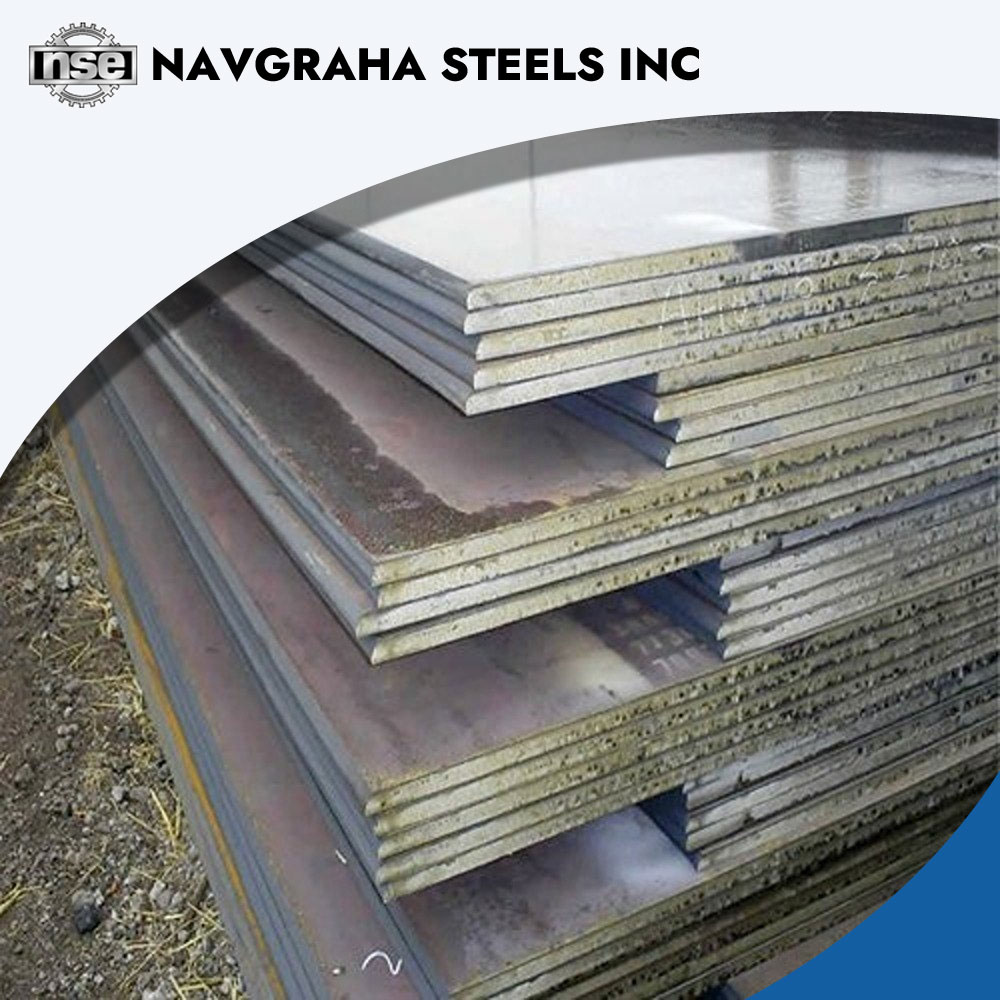
inside=banner
Home  ›  Products  ›  HIC & NACE-Tested Steel Plates

HIC & NACE-Tested Steel Plates for Specified Sour-Service Requirements

Navgraha Steels INC supplies SA 516 Grade 70 HIC-tested and NACE/AMPP-specified steel plates for pressure vessels, refinery equipment, separators, process units and related applications where the approved project specification addresses wet H₂S or another defined sour-service environment.

“HIC tested” and “NACE compliant” do not mean the same thing, and neither phrase is a complete purchase specification. Send the applicable standard and edition, HIC test method and solution, CLR/CTR/CSR acceptance criteria, hardness and chemistry limits, heat treatment, plate dimensions, quantity, certificate type, inspection requirement and destination.

HIC Testing, MR0175 and MR0103: What Buyers Must Distinguish

RequirementWhat it addressesWhat must be stated in the RFQ
HIC testingEvaluates steel resistance to hydrogen-induced cracking under a specified laboratory method and environmentTest method/edition, solution, exposure conditions, sampling, specimen orientation and CLR/CTR/CSR acceptance criteria
ANSI/NACE MR0175 / ISO 15156Material selection and qualification for H₂S-containing oil-and-gas production and natural-gas treatment environments within its scopeApplicable part/edition, environmental limits, material condition, hardness and project requirements
ANSI/NACE MR0103 / ISO 17945Materials resistant to sulfide stress cracking in corrosive petroleum-refining environments within its scopeApplicable edition, refinery service, material/fabrication controls, hardness and project requirements
Project sour-service specificationCan add chemistry, cleanliness, heat treatment, testing, inspection and acceptance requirements beyond a general standard referenceComplete client/EPC document number, revision and supplementary requirements
AMPP is the successor organisation associated with former NACE standards. Buyers and suppliers may still use “NACE” commercially, but the purchase order should identify the exact current or project-mandated designation and edition.
HIC Is a Test Result, Not a Universal Grade: HIC testing evaluates the sampled material under the ordered test conditions. Results are commonly reported using crack length ratio (CLR), crack thickness ratio (CTR) and crack sensitivity ratio (CSR). Acceptance limits are project-specific and must not be invented or assumed from the phrase “HIC tested.”
NACE/AMPP Requirements Do Not Replace the Design Code: MR0175/ISO 15156 or MR0103/ISO 17945 supplements the applicable material and design requirements; it does not replace the pressure-vessel code, grade specification, corrosion assessment or engineering approval. It also does not by itself demonstrate resistance to every form of general or localised corrosion.

SA 516 Grade 70 Sour-Service Material Pathways

SA 516 Grade 70 HIC-Tested Plate

SA 516 Grade 70 plate may be ordered with HIC testing to the specified AMPP/NACE TM0284 edition or another approved project method. The test solution, exposure, specimen location, number of specimens, evaluation method and acceptance values must be stated and supported by the test report.

READ MORE
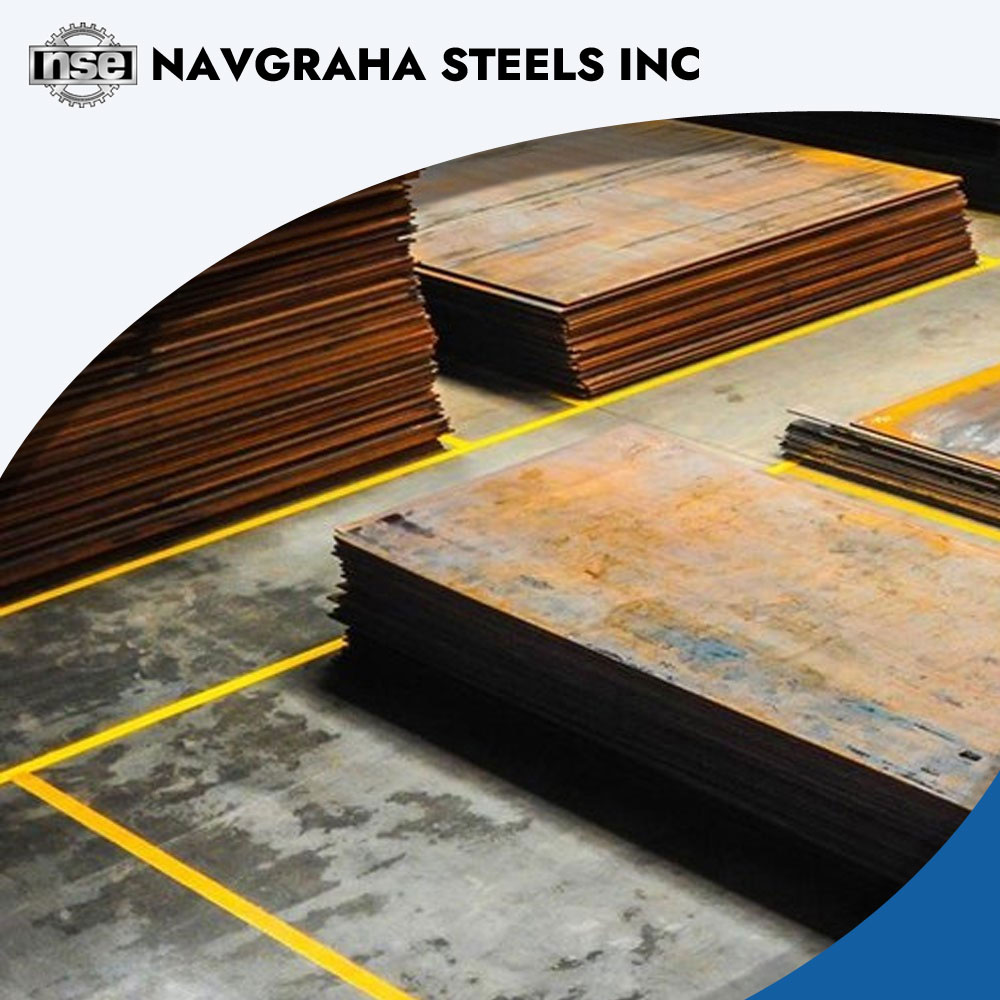
SA 516 Grade 70 NACE/AMPP-Specified Plate

SA 516 Grade 70 may be supplied for a defined sour-service requirement when the specific heat, plate condition, chemistry, hardness, heat treatment, fabrication controls and documentation satisfy the applicable project interpretation of MR0175/ISO 15156, MR0103/ISO 17945 or another nominated document.

READ MORE

When Another Material May Be Required

SA 516 Grade 70 is not universally suitable for every H₂S, chloride, temperature or chemical environment. The project may require a different carbon/low-alloy steel, weld overlay, cladding or corrosion-resistant alloy. Selection must be made by the responsible materials and corrosion engineer.

Related links: Pressure Vessel Steel | Boiler Quality Steel | Nickel Alloy & Exotic Plates

HIC/NACE Plate Supply and Testing Requirements

Procurement fieldDetails to specify
Base materialComplete ASTM/ASME grade, specification edition and plate condition
DimensionsThickness, width, length, number of plates and total weight
Heat treatmentNormalised or another approved condition as required by the base and project specifications
HIC methodAMPP/NACE TM0284 or other approved test method and exact edition
Test solutionThe nominated solution and any project modification to concentration, pH, gas or exposure conditions
AcceptanceRequired CLR, CTR and CSR limits, averaging rules and individual-specimen limits
SamplingPlate/heat sampling frequency, specimen location and orientation
HardnessTest method, locations and maximum values specified by the applicable sour-service document
ChemistryCarbon equivalent and limits on sulfur, phosphorus or other elements where imposed by the project
Additional testsSSC, SOHIC, ultrasonic, impact, PMI or other tests where separately specified
DocumentationMTC, HIC report, heat treatment, test laboratory details, inspection release and traceability records
The current edition of AMPP TM0284 or the exact project-specified edition should be used; do not silently substitute an older test edition. Test reports should clearly identify the plate/heat, specimen details, solution, exposure, measurements and results against the ordered criteria.
Plate, Sheet and Coil Availability: Sour-service requirements are commonly purchased as plate. Sheet or coil enquiries must be checked against the base specification, gauge, mill production route, testing feasibility and quantity. A product-form label does not remove the need for heat-level or product-level testing and traceability.

Applications and Sour-Service Selection Factors

HIC- or NACE/AMPP-specified material may be required for approved components in:

  • Oil-and-gas production and natural-gas treatment equipment
  • Refineries and downstream process units under the applicable refinery standard
  • Pressure vessels, separators and process columns
  • Sour-water and wet-H₂S service equipment
  • Storage and process equipment covered by a project sour-service specification
  • Petrochemical and fertiliser plants
  • EPC projects requiring controlled chemistry, hardness and crack-resistance testing

The application name alone does not establish sour severity or material suitability. Engineering selection should consider:

  • H₂S partial pressure and process phase
  • Water presence, pH, chloride and other contaminants
  • Operating and upset temperature/pressure
  • Applied and residual stress
  • Material strength, hardness and heat treatment
  • Plate thickness and through-thickness quality
  • Welding procedure, consumables and hardness control
  • Post-weld heat treatment
  • General and localised corrosion, which may require separate evaluation
  • Expected inspection and corrosion-management strategy
HIC, sulfide stress cracking (SSC), stress-oriented HIC (SOHIC) and other wet-H₂S damage mechanisms are related but distinct. The project specification should identify which mechanisms and qualification tests are applicable.

Stock, Mill Sourcing, Traceability and Delivery

Navgraha Steels INC handles HIC and NACE/AMPP plate enquiries through available stock, domestic mill sourcing and international sourcing/imports, depending on base grade, plate size, heat treatment, test criteria, approved mill, quantity and required date.

Commercial capabilities include:

  • Ready-stock review for applicable SA 516 Grade 70 sour-service plates
  • Heat- and plate-specific document review before commercial confirmation
  • Approved-mill, manufacturer or origin-specific sourcing
  • Full plates, project quantities and cut-size requirements where traceability can be maintained
  • HIC and supplementary testing coordination through an applicable laboratory when included in the order
  • Third-party witnessing, document review and release when agreed
  • Plate marking and heat-number continuity through approved processing
  • Domestic delivery and export logistics support
  • Packing and marking according to agreed handling and destination requirements
The company portfolio refers to sourcing from Indian and international mills or stockholders. Mill availability is test-, grade- and project-specific. A manufacturer name must not be treated as permanent stock, authorised distributorship or universal NACE approval without written evidence.
Urgent dispatch may be possible only for plates already matching the ordered base grade, condition, test criteria and documentation. Generic stock cannot be converted into compliant HIC/NACE material through wording alone. Any same-day or 24–72-hour dispatch statement applies only after the exact plates, reports, inspection, processing, payment and destination are confirmed.

MTC, HIC Reports and Third-Party Inspection

The document package should enable the buyer to connect every supplied plate to its heat, base specification, heat treatment and sour-service test results.

Depending on the order scope, documents may include:

  • Manufacturer material test certificate
  • EN 10204 Type 3.1 certificate where applicable
  • EN 10204 Type 3.2 validation or inspection when arranged in advance
  • Chemical composition, carbon-equivalent and mechanical-property results
  • Heat-treatment records
  • HIC laboratory report with CLR, CTR and CSR results
  • Hardness-test records and applicable material-control statements
  • Ultrasonic, impact, SSC, SOHIC or other supplementary reports when ordered
  • Laboratory accreditation details where required by the project
  • Third-party inspection report and release note
  • Plate marking, transfer-of-marking and traceability records after processing
Third-party inspection by SGS, Bureau Veritas, TÜV, Lloyd's Register, DNV or another nominated agency may be arranged when agreed before testing or dispatch. Agency names represent potential inspection options, not permanent certification or endorsement.
The phrases “NACE certified supplier,” “NACE approved plate” or “100% HIC proof” should not be used without precise evidence and scope. Conformance belongs to the specific material, environment, standard edition, tests and documentation—not universally to every plate or supplier activity.

HIC/NACE Plate Price, India Supply and Export Enquiries

Price depends on the base grade, plate thickness and dimensions, quantity, mill/origin, heat treatment, chemistry restrictions, HIC method and solution, acceptance limits, sampling frequency, supplementary tests, inspection, certificate type, processing, packing and destination.

Send the following for an accurate quotation:

  • Complete SA/ASTM base material specification and edition
  • Applicable MR0175/ISO 15156, MR0103/ISO 17945 or project document and revision
  • HIC test method/edition and required solution
  • CLR, CTR and CSR acceptance limits
  • Plate thickness, width, length and quantity
  • Heat-treatment condition
  • Chemistry, carbon-equivalent and hardness restrictions
  • Sampling frequency and specimen requirements
  • Impact, ultrasonic, SSC, SOHIC or other supplementary tests
  • EN 10204 certificate type and laboratory-document requirements
  • Third-party witnessing and approved-vendor requirements
  • Cutting, marking, traceability and packing requirements
  • Delivery city, destination country/port, required date and Incoterm

Navgraha Steels INC accepts domestic and export enquiries for specified sour-service material. Export quotations can include agreed seaworthy packing, plate marking, MTC/test-document package, inspection release, commercial documents and logistics. Freight, insurance, taxes, duties, offer validity and delivery time are confirmed in the commercial offer.

Request SA 516 Grade 70 HIC/NACE Plate Price

Upload the material requisition, sour-service specification, plate schedule and inspection requirements. Our team will review the base grade, test criteria, documents, mill restrictions and destination before offering an applicable sourcing route.

Request HIC/NACE Plate Quote

Frequently Asked Questions

What is HIC-tested steel plate?
It is steel tested for resistance to hydrogen-induced cracking using a stated method, solution, exposure and acceptance criteria. The result applies to the tested material and conditions; it is not a universal guarantee against hydrogen damage.
Is HIC testing the same as NACE compliance?
No. HIC is a particular test and damage mechanism. MR0175/ISO 15156 and MR0103/ISO 17945 contain broader material-selection and qualification requirements for their respective scopes.
What is the difference between MR0175 and MR0103?
MR0175/ISO 15156 applies primarily to H₂S-containing oil-and-gas production and natural-gas treatment environments within its scope. MR0103/ISO 17945 addresses sulfide-stress-cracking-resistant materials for corrosive petroleum-refining environments.
Which HIC test standard should be specified?
Many projects use AMPP/NACE TM0284. The purchase order should state the exact edition, test solution, sampling, specimen orientation, exposure and CLR/CTR/CSR acceptance criteria. A project may mandate another or modified method.
What do CLR, CTR and CSR mean?
They are crack length ratio, crack thickness ratio and crack sensitivity ratio—measurements used to report HIC test results. Required limits must come from the approved project specification.
Is every SA 516 Grade 70 plate NACE compliant?
No. Compliance depends on the specific heat/plate, material condition, hardness, chemistry, environment, standard edition, fabrication controls and supporting documents.
Can ordinary stock plate be supplied as HIC-tested material?
Only if the material can be validly sampled, tested and documented according to the approved purchase specification and traceability requirements. A description or aftermarket certificate cannot replace compliant testing and records.
Can HIC testing and third-party witnessing be arranged?
Yes, where the laboratory, method, solution, sampling, acceptance criteria, witnessing stages and charges are agreed before testing and order confirmation.
Are EN 10204 3.1 and 3.2 certificates available?
Type 3.1 may be available with applicable mill supply. Type 3.2 requires defined validation or inspection arrangements and must be confirmed in advance.
Can HIC/NACE plates be cut to size?
Cutting may be arranged where the project permits it and heat/plate traceability, marking transfer and test-document linkage can be maintained through processing.
Do you supply sour-service plates across India and for export?
Domestic and export enquiries are accepted. Availability, testing, inspection, documentation, packing, freight, Incoterm and delivery schedule are confirmed for each order.
What details are needed for an HIC/NACE plate quotation?
Provide the base material, sour-service standard/edition, HIC method and solution, acceptance ratios, size, quantity, heat treatment, chemistry/hardness limits, documents, inspection and destination.