

inside=banner
Home  ›  Products  ›  Nickel Alloy & Exotic Plates

Nickel Alloy & Exotic Plates for Chemical, Marine and Process Requirements

Navgraha Steels INC supplies nickel and corrosion-resistant alloys in plate, sheet and coil forms for chemical processing, oil and gas, marine, pollution-control, power and specialised industrial equipment. The listed range includes Hastelloy C276, Hastelloy C22, Inconel 625, Inconel 825 and Monel 400.

Nickel content alone does not make one alloy suitable for every acid, chloride, seawater or temperature condition. For a relevant offer, send the alloy/UNS number, governing specification, product form, dimensions, quantity, material condition, process medium and temperature, certificate and inspection requirements, approved manufacturer and delivery destination.
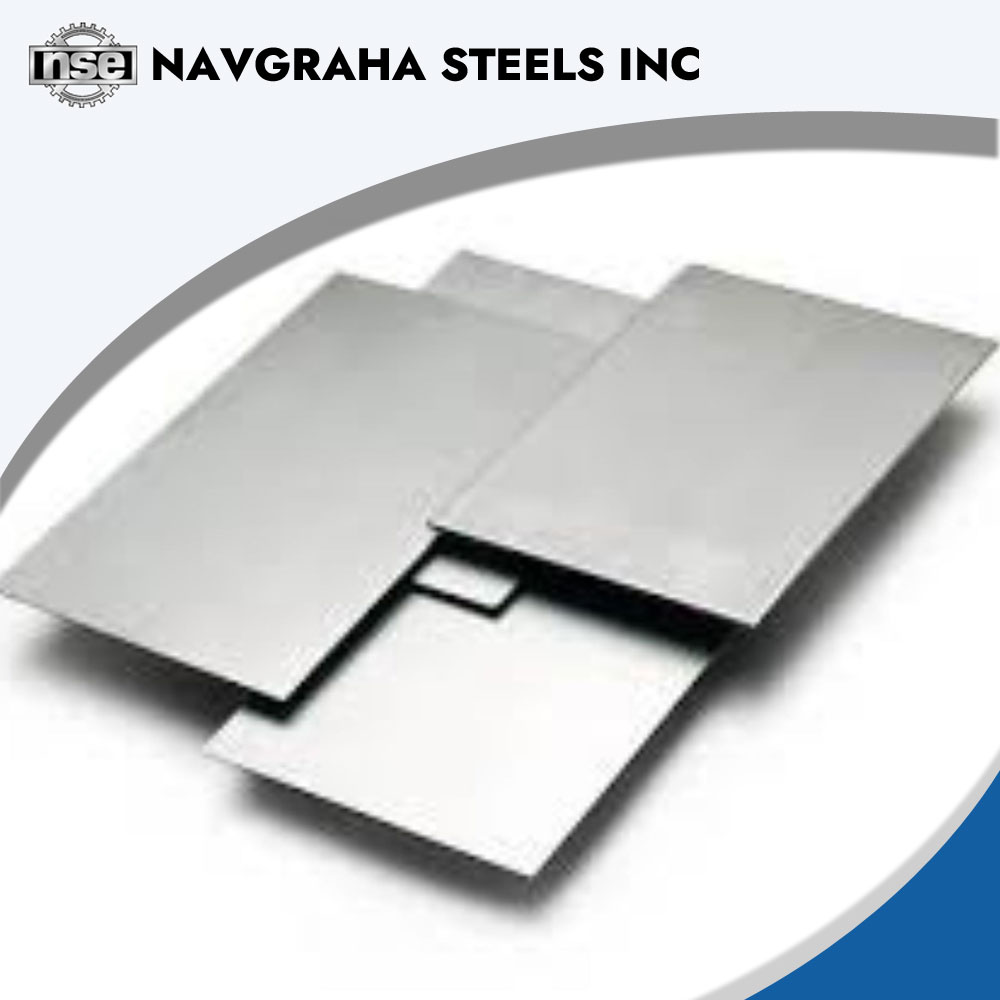
Nickel and Corrosion-Resistant Alloys Available for Enquiry

Hastelloy C276 — UNS N10276

Hastelloy C276 is a nickel-molybdenum-chromium alloy selected for many severe chemical-processing and pollution-control environments where its resistance profile suits the actual medium and temperature. Plate, sheet and strip requirements are commonly specified to ASTM B575/ASME SB-575 where applicable.

READ MORE
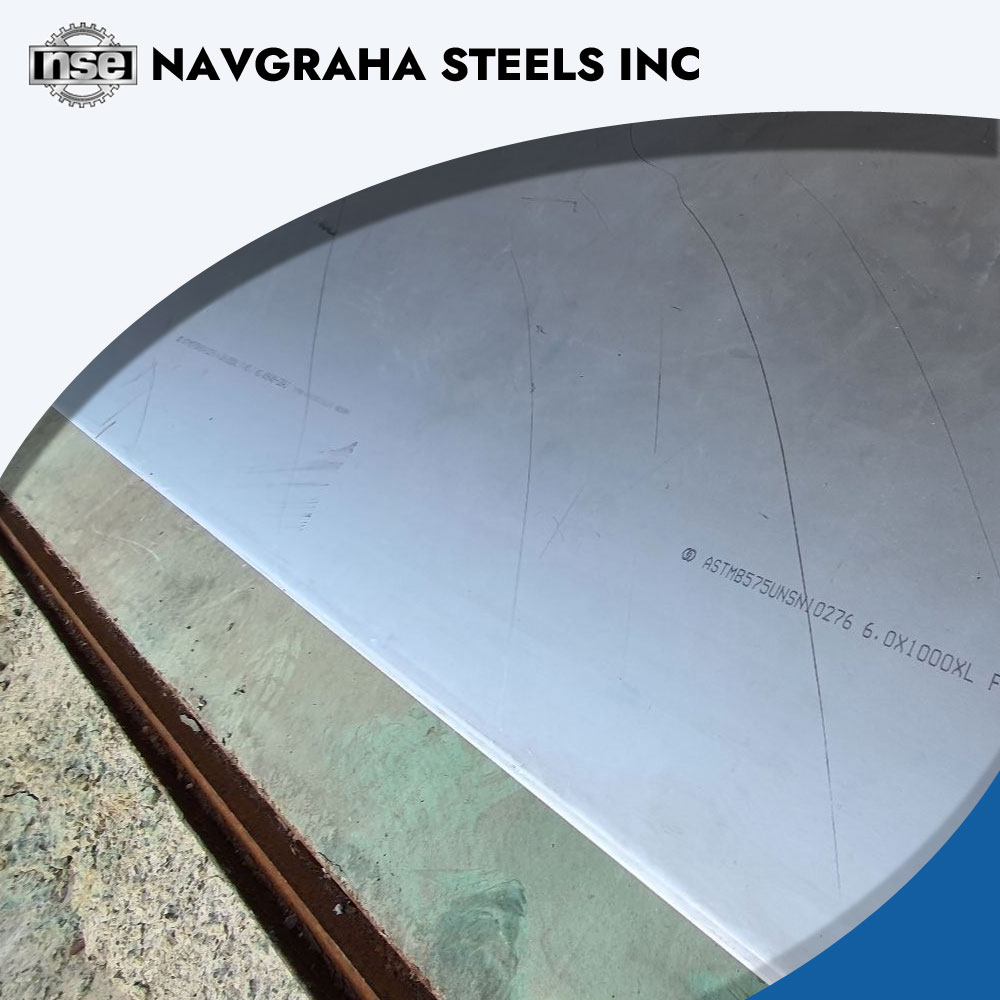
Hastelloy C22 — UNS N06022

Hastelloy C22 is a nickel-chromium-molybdenum-tungsten alloy used in selected oxidising and reducing chemical environments. Its composition and corrosion profile differ from C276; neither alloy should be substituted for the other without a process-specific corrosion review. Flat products may be ordered to ASTM B575/ASME SB-575 where applicable.

READ MORE
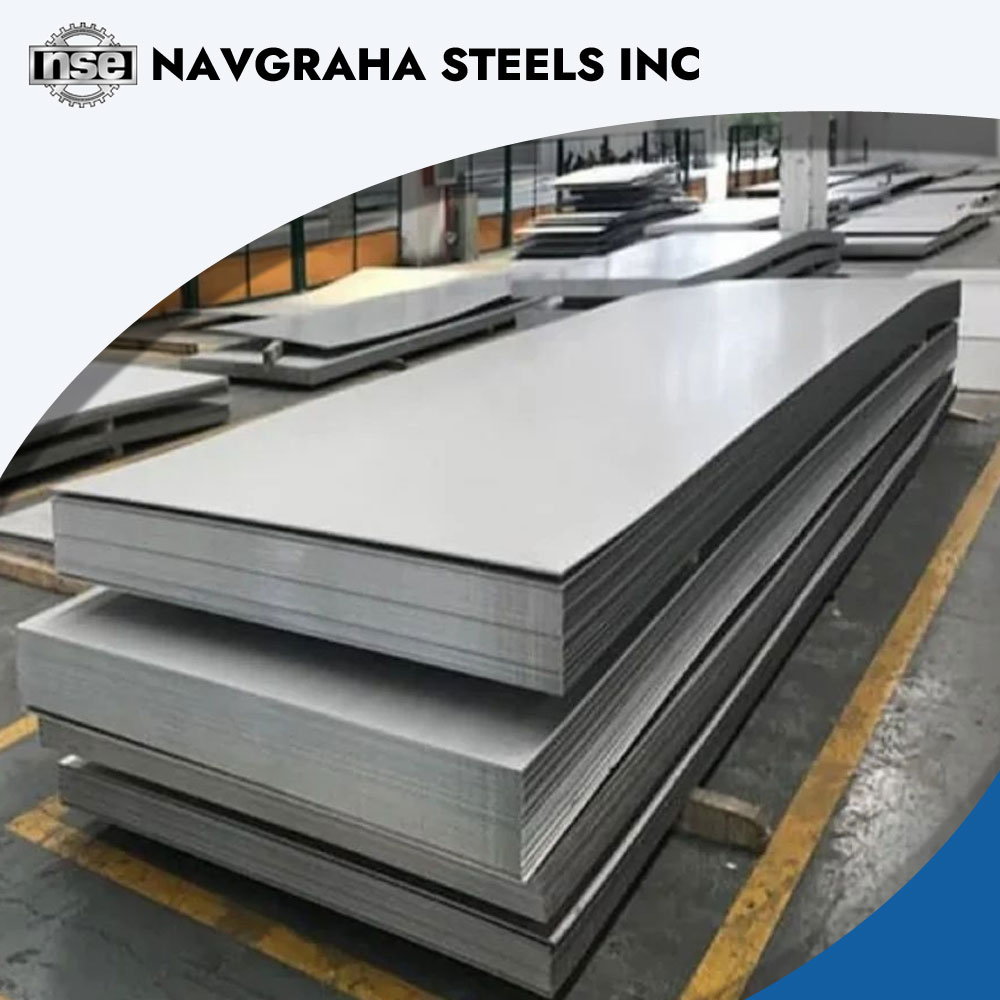
Inconel 625 — UNS N06625

Inconel 625 is a nickel-chromium-molybdenum-niobium alloy used for applicable marine, offshore, chemical-processing, aerospace and high-temperature fabrication requirements. Plate, sheet and strip products are commonly specified to ASTM B443/ASME SB-443 where applicable.

READ MORE
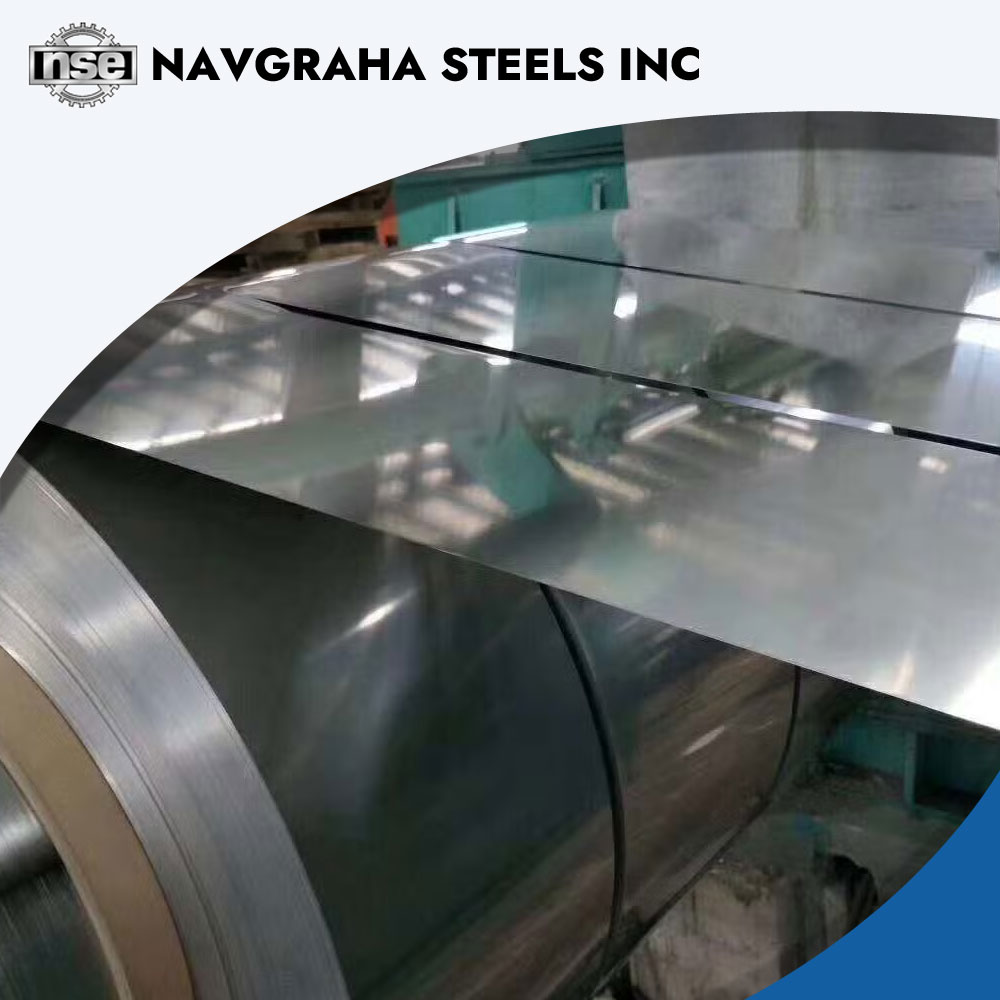
Inconel 825 — UNS N08825

Inconel 825 is a nickel-iron-chromium alloy containing molybdenum and copper, selected for certain acid, chemical-processing, pollution-control and oil-and-gas environments. Plate, sheet and strip are commonly specified to ASTM B424/ASME SB-424 where applicable.

READ MORE
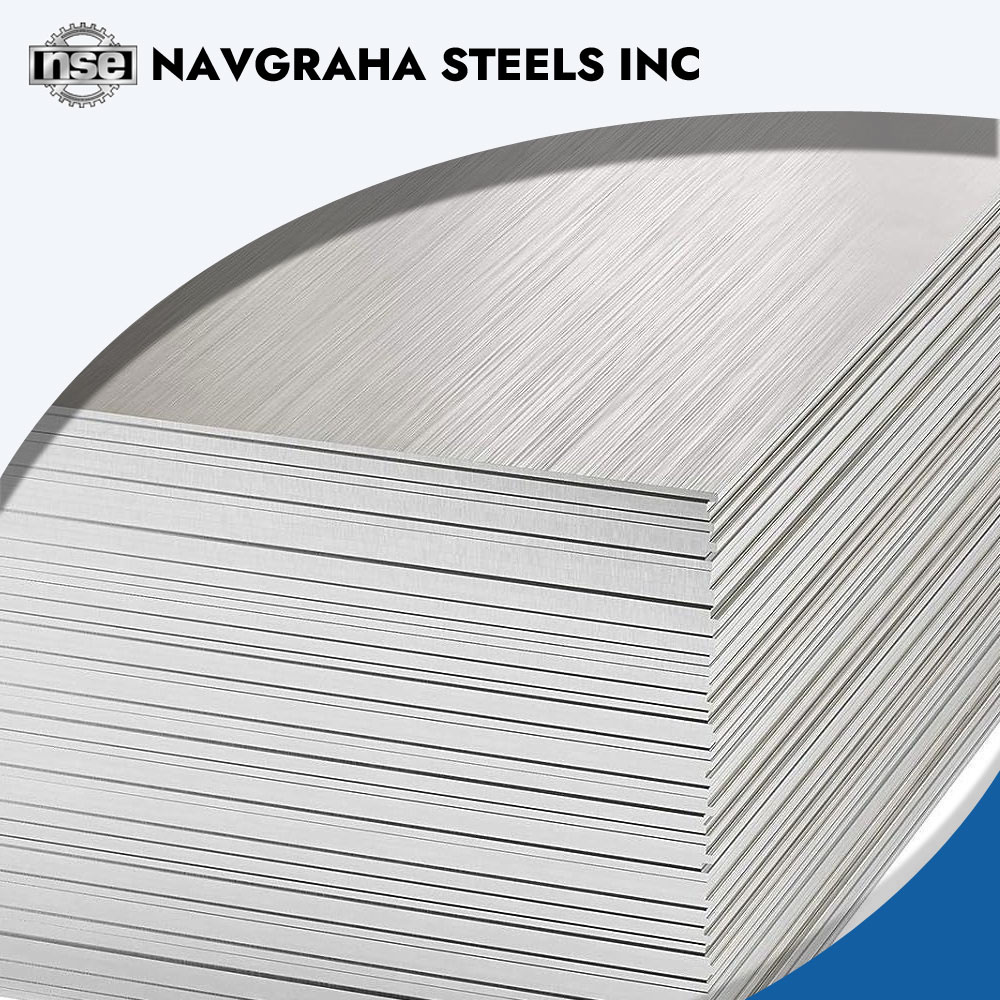
Monel 400 — UNS N04400

Monel 400 is a nickel-copper alloy used in selected marine, chemical, alkali, salt and process applications. Its behaviour varies by aeration, velocity, contaminants and temperature. Plate, sheet and strip requirements are commonly specified to ASTM B127/ASME SB-127 where applicable.

READ MORE
Trade names, UNS numbers and ASTM/ASME product specifications should be checked together. A generic label such as “Hastelloy,” “Inconel” or “Monel” is insufficient for purchase because multiple distinct alloys exist within each family.

How to Select a Nickel Alloy for the Process Environment

Selection inputWhy buyers must provide it
Process chemical or fluidDifferent alloys respond differently to acids, alkalis, chlorides, seawater and mixed media
Concentration and contaminantsCorrosion behaviour can change significantly with concentration, oxidants, impurities and aeration
Operating and upset temperatureTemperature affects corrosion rate, mechanical behaviour and alloy suitability
Pressure and equipment codeDetermines the applicable design, material and inspection requirements
Flow velocity and crevice conditionsLocalised attack, erosion-corrosion and deposits can alter material performance
Fabrication routeWelding, forming, machining, solution annealing and surface condition may affect performance
Required product specificationASTM/ASME/EN product standards define form, dimensions, condition and test requirements
End-user approvalEPC, licensor and approved-manufacturer restrictions can limit commercial sourcing
Hastelloy C22 vs C276: Both are nickel-chromium-molybdenum alloys, but their chemistry and performance envelopes differ. C22 is often considered where a balance across certain oxidising and reducing environments is needed, while C276 is widely used for many severe chemical environments. The actual medium, concentration and temperature—not a general ranking—should decide selection.
Inconel 625 vs Inconel 825: Alloy 625 combines corrosion resistance with relatively high strength across applicable conditions. Alloy 825 uses a nickel-iron-chromium-molybdenum-copper composition suited to particular acid and process environments. They are not universal equivalents.
Monel 400 vs High-Chromium Nickel Alloys: Monel 400 is a nickel-copper alloy and behaves differently from chromium- and molybdenum-bearing alloys. It may suit particular marine, alkali and chemical duties but should not be described as resistant to every corrosive medium.
No alloy should be called “corrosion-proof.” Final selection should use current corrosion data, process conditions, fabrication requirements, applicable codes and approval by the responsible materials or corrosion engineer.

Product Forms, Material Conditions and Processing

Buying requirementSupply options and limitations
PlatesFull plates, standard sizes or cut-size requirements according to alloy, thickness and source availability
SheetsHot-rolled, cold-rolled or specified flat-product condition where covered by the applicable product specification
CoilsFull or slit coils where alloy, gauge, width, condition and commercial quantity support coil sourcing
Material conditionSolution-annealed or another specification-defined condition supported by the MTC
SurfaceMill finish, descaled/pickled or another specified finish where commercially available
ProcessingCutting, profiling, waterjet, suitable thermal cutting, slitting, edge treatment and marking where technically appropriate
IdentificationUNS/alloy marking, heat number and traceability maintained according to the agreed procedure
QuantityCut pieces, full plates/coils, repeat requirements and project quantities subject to availability and minimum order conditions
Processing methods must be selected with regard to alloy characteristics, heat input, contamination risk, required edge quality and subsequent fabrication. Carbon-steel tools, grinding media or handling practices can contaminate corrosion-resistant alloy surfaces; segregation and clean handling should be specified where critical.
Buyers should state dimensional tolerance, flatness, finish, protective film, edge condition, permissible surface defects, marking and theoretical or actual weight basis.

Applications and Fabrication Considerations

Nickel alloy plates, sheets and coils may be specified for:

  • Chemical reactors, vessels and process columns
  • Heat exchangers, condensers and evaporators
  • Flue-gas desulphurisation and pollution-control equipment
  • Marine, offshore and seawater-handling components where the chosen alloy is approved
  • Oil-and-gas production, refining and sour-service equipment
  • Acid-processing, pickling and chemical-storage systems
  • Pharmaceutical and food-process equipment where the grade and finish meet hygienic requirements
  • Power-generation and high-temperature components within the selected alloy's design limits

Application references are indicative, not guarantees. Fabricators should consider:

  • Approved welding process, filler metal and welding procedure
  • Interpass temperature and heat-input control
  • Solution treatment or post-fabrication heat treatment where required
  • Forming and work-hardening behaviour
  • Machining speeds, tools and coolant practice
  • Surface contamination and iron pickup
  • Pickling, cleaning and passivation procedures where applicable
  • Positive material identification and segregation
  • Nondestructive examination and acceptance criteria
NACE/AMPP or ISO 15156 applicability depends on alloy, material condition, environmental limits and the relevant standard part. A generic “NACE-approved nickel alloy” claim should not replace the exact grade, condition and service limits.

Related links: HIC & NACE-Tested Steel | Pressure Vessel Steel | Alloy & Chrome-Moly Steel Plates

Stock, Global Mill Sourcing and Export Supply

Navgraha Steels INC handles nickel-alloy requirements through available stock, domestic stock sourcing, international mill sourcing and imports. The route depends on alloy/UNS, product specification, form, dimensions, condition, approved origin, quantity, documents and schedule.

Commercial capabilities include:

  • Ready-stock review for applicable nickel-alloy plates, sheets and coils
  • Full plates/coils, cut sizes and project quantities
  • Manufacturer-, brand- or country-of-origin-specific sourcing
  • Cutting, profiling, slitting, edge treatment, marking and protective packing where applicable
  • Material segregation, heat-number control and PMI coordination
  • Third-party inspection and supplementary testing when included before ordering
  • Urgent shutdown and maintenance requirement review against confirmed stock
  • Air, sea or road logistics according to order size, urgency and destination
  • Export packing with suitable wrapping, edge protection, crates/pallets and marking as agreed
The current company portfolio refers to international brands or manufacturers including Nippon Yakin, Outokumpu, ATI, VDM Metals and Special Metals, together with other applicable approved sources. Availability varies by alloy and order. Brand names must not imply permanent inventory, authorised distributorship or manufacturer endorsement without documentary proof.
Urgent processing or dispatch may be possible for eligible material already matching the required alloy, form, condition, dimensions and documents. Any same-day or 24–72-hour statement is valid only after stock, PMI, processing, inspection, payment, packing and destination are confirmed. Imported mill orders and special production require separate lead-time confirmation.

MTC, PMI, Testing and Inspection Documentation

Nickel-alloy procurement should maintain positive material identity and traceability from the source document through processing and dispatch.

Depending on the alloy, manufacturer and accepted order scope, documents and tests may include:

  • Manufacturer material test certificate
  • EN 10204 Type 3.1 certificate where applicable
  • EN 10204 Type 3.2 validation or inspection when arranged in advance
  • Chemical composition and mechanical-property results
  • Heat-treatment and material-condition records
  • Positive material identification report
  • Dimensional, visual, surface and finish inspection
  • Corrosion, intergranular, ultrasonic or other supplementary testing when required by the project and technically applicable
  • NACE/AMPP or ISO 15156-related documentation within the exact alloy and environmental scope
  • PED-related documents for eligible pressure-equipment requirements
  • Third-party inspection report, release note and traceability records
Third-party inspection by SGS, Bureau Veritas, TÜV, Lloyd's Register, DNV or another nominated agency may be arranged when agreed before inspection. These names indicate inspection options, not permanent approval or endorsement.
Certification applies to the specific supplied heat, product, condition and scope. Claims such as “all plates are NACE/PED/CE certified” should not be used unless every stated requirement is supported by the applicable document and legally relevant to that product.

Nickel Alloy Price, India Supply and Export Enquiries

Nickel alloy prices can change with alloying-metal markets, product form, dimensions, quantity, mill/origin, material condition, certification, testing, processing, packing, freight and exchange rates. A per-kilogram comparison alone may not reflect yield loss, minimum order quantity, testing or landed cost.

Send the following for an accurate quotation:

  • Exact alloy name and UNS number
  • ASTM/ASME/EN or project product specification
  • Plate, sheet or coil form
  • Material condition and surface finish
  • Thickness, width, length or coil dimensions
  • Number of pieces/coils or total weight
  • Process medium, concentration and temperature where selection support is requested
  • Approved manufacturer, brand or origin restriction
  • MTC and EN 10204 certificate type
  • PMI, corrosion or supplementary test requirements
  • Third-party inspection and project documentation
  • Cutting, slitting, edge, marking and packing requirements
  • Delivery city, destination country/port, required date and Incoterm

Navgraha Steels INC accepts nickel-alloy enquiries across India and from export buyers. Export offers can include agreed seaworthy packing, fumigation documents where required, inspection records, MTCs, commercial/shipping documents and air or sea freight scope. Freight, insurance, duties, taxes, offer validity and delivery schedule are confirmed in the quotation.

Request Hastelloy, Inconel or Monel Price and Availability

Upload the RFQ, datasheet, drawing or material requisition. Our team will review the alloy identity, specification, form, dimensions, condition, documents, approved source, processing and destination before providing an applicable offer.

Request Nickel Alloy Quote

Frequently Asked Questions

Which nickel alloys does Navgraha Steels INC supply?
The listed range includes Hastelloy C276, Hastelloy C22, Inconel 625, Inconel 825 and Monel 400 in plate, sheet or coil forms where commercially available.
Are Hastelloy, Inconel and Monel generic material grades?
No. They are alloy-family or trade-name references covering distinct compositions. Always specify the exact alloy and UNS number, such as N10276, N06022, N06625, N08825 or N04400.
What is the difference between Hastelloy C22 and C276?
They differ in chemical composition and corrosion behaviour. The correct choice depends on the process medium, concentration, temperature, contaminants, fabrication and approved materials specification.
What is the difference between Inconel 625 and 825?
Alloy 625 is a nickel-chromium-molybdenum-niobium alloy with a different strength and corrosion profile from nickel-iron-chromium-molybdenum-copper Alloy 825. They are not automatic substitutes.
Is Monel 400 suitable for seawater?
Monel 400 is used in selected marine and seawater applications, but suitability depends on velocity, aeration, temperature, deposits, galvanic contact and the exact component. Engineering approval is required.
Are nickel alloys resistant to every acid?
No. Resistance varies by alloy, acid type, concentration, temperature, oxidising conditions and contaminants. No nickel alloy should be marketed as universally acid-proof.
Are plates available with EN 10204 3.1 or 3.2 certificates?
Type 3.1 documentation may be available with applicable mill material. Type 3.2 requires defined validation or inspection arrangements and must be agreed before ordering.
Can PMI and third-party inspection be arranged?
Yes, when the PMI method, inspection agency, ITP, witnessing stages, acceptance criteria, document review and charges are specified and agreed in advance.
Can nickel alloy plates and coils be cut or slit?
Processing may be arranged according to alloy, thickness, dimensions, tolerances and contamination controls. Traceability and marking should be maintained through processing.
Can I request a specific nickel-alloy manufacturer?
Yes. State the approved brand, mill or country of origin in the RFQ. Supply is then reviewed against alloy-specific availability and project approval.
Do you supply nickel alloys across India and for export?
Domestic and export enquiries are accepted. Availability, documents, inspection, packing, freight, Incoterm and delivery schedule are confirmed for the order.
What details are required for a nickel-alloy quotation?
Provide the alloy/UNS, product specification, form, condition, dimensions, quantity, approved source, tests, certificates, processing, packing, destination and required date.