Material selection plays a decisive role in the safety, durability, and performance of oil and gas facilities. Engineers constantly evaluate Stainless Steel vs Duplex Steel to determine which alloy delivers better corrosion resistance, mechanical strength, and lifecycle value in harsh environments.
From offshore drilling platforms to refineries and petrochemical plants, the steel used in oil and gas industry must withstand high pressure, extreme temperatures, chloride exposure, and sour gas conditions. This guide explains the differences, applications, and performance factors that help determine the Best steel for oil and gas processing.
Why Material Selection Matters in Oil & Gas
Oil and gas operations expose metals to corrosive fluids, hydrogen sulfide, seawater, carbon dioxide, and fluctuating temperatures. Failure of pipes used in oil and gas industry can cause operational shutdowns, environmental hazards, and high repair costs.
Therefore, selecting between Stainless Steel for Oil and Gas Industry applications and Duplex Steel for Oil & Gas Processing depends on corrosion resistance, mechanical strength, and cost efficiency.
Understanding Stainless Steel in Oil & Gas
What Is Stainless Steel?
Stainless steel is an iron-based alloy containing chromium (minimum 10.5%), which forms a passive oxide layer that protects against corrosion. Common grades include 304, 316, and 316L.
In the Stainless Steel vs Duplex Steel comparison, stainless steel remains popular due to its versatility and availability.
Key Properties of Stainless Steel
- Excellent corrosion resistance in moderate environments
- Good weldability and fabrication ease
- Strong resistance to oxidation
- Suitable for cryogenic and high-temperature service
- Hygienic and easy to maintain
- Applications in Oil & Gas
Stainless Steel for Oil and Gas Industry is widely used in:
- Heat exchangers
- Storage tanks
- Instrumentation tubing
- Process piping systems
- Offshore structural components
Austenitic grades like 316L perform well in environments with moderate chloride exposure. However, under high chloride concentrations, they may face pitting or stress corrosion cracking.
What Is Duplex Steel?
Duplex steel contains a mixed microstructure of austenite and ferrite. This dual-phase composition provides higher strength and improved resistance to stress corrosion cracking compared to standard stainless steel.
When discussing Duplex Steel for Oil & Gas Processing, engineers highlight its superior performance in aggressive environments.
Key Advantages of Duplex Steel
- Higher yield strength (almost double that of austenitic stainless steel)
- Excellent resistance to chloride-induced stress corrosion cracking
- Strong pitting and crevice corrosion resistance
- Improved fatigue resistance
- Lower nickel content compared to some stainless grades
Because of these properties, duplex steel often qualifies as the Best steel for oil and gas processing in offshore and subsea environments.
Stainless Steel vs Duplex Steel: A Detailed Comparison
1. Corrosion Resistance
In the Stainless Steel vs Duplex Steel debate, corrosion resistance stands as the primary factor.
Standard stainless steels resist general corrosion effectively. However, duplex steel outperforms in chloride-rich environments such as offshore platforms and seawater pipelines.
For subsea systems and desalination-linked oil facilities, Duplex Steel for Oil & Gas Processing offers superior resistance to pitting and stress corrosion cracking.
2. Mechanical Strength
Duplex steel has significantly higher yield and tensile strength compared to austenitic stainless steel.
Higher strength allows engineers to use thinner wall sections in pipes used in oil and gas industry, which reduces weight and material cost without compromising safety.
3. Cost Considerations
Stainless steel often costs less initially. Fabrication is simpler, and availability is widespread.
Although duplex steel may have a higher upfront price, its longer service life and lower maintenance needs improve total lifecycle value. In many offshore projects, it becomes the Best steel for oil and gas processing from a long-term financial perspective.
4. Weldability and Fabrication
Stainless steel offers easier welding and fabrication. Duplex steel requires controlled welding procedures to maintain phase balance and corrosion resistance.
Still, modern fabrication practices have made Duplex Steel for Oil & Gas Processing widely adaptable for critical systems.
Steel Grades Commonly Used in Oil & Gas
The steel used in oil and gas industry varies based on pressure ratings, temperature conditions, and chemical exposure.
Some widely used materials include:
- Austenitic stainless steel (304, 316, 316L)
- Duplex steel (2205, 2507)
- Carbon steel pressure vessel grades
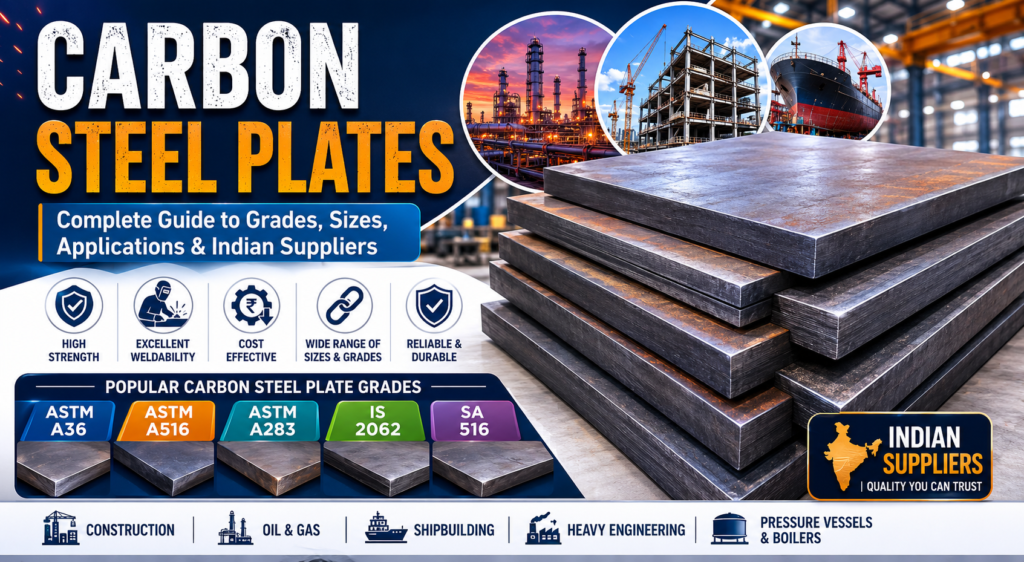
For pressure vessel applications, products such as SA 516 Gr 60/70 Dual Certified Plates, Sheets & Coil are commonly selected due to their strength and reliability in high-pressure service environments.
Pipes Used in Oil and Gas Industry
The selection of pipes used in oil and gas industry depends on operational conditions:
- Offshore pipelines face chloride-rich seawater exposure
- Refinery piping handles corrosive chemicals
- Sour service pipelines resist hydrogen sulfide attack
- High-pressure lines demand superior mechanical strength
In offshore drilling, Duplex Steel for Oil & Gas Processing often replaces standard stainless grades because of its superior resistance to stress corrosion cracking.
Meanwhile, Stainless Steel for Oil and Gas Industry remains suitable for less aggressive service conditions.
Which Is the Best Steel for Oil and Gas Processing?
The answer depends on environmental severity, budget, and design life.
Choose stainless steel when:
- Exposure conditions are moderate
- Fabrication simplicity is required
- Budget constraints exist
Select duplex steel when:
- Chloride exposure is high
- Stress corrosion cracking risk increases
- Weight reduction improves structural efficiency
- Long-term durability is critical
In high-risk offshore systems, duplex steel often emerges as the best steel for oil and gas processing.
Environmental and Safety Considerations
Material failure in oil and gas processing can cause leaks, contamination, and costly downtime. Engineers now prioritize materials that reduce environmental risk while maintaining structural integrity.
Both stainless and duplex steels support sustainable operations because they offer durability, recyclability, and extended service life.
Modern refineries and offshore installations increasingly adopt duplex steel for enhanced reliability in corrosive environments.
Conclusion
The comparison between Stainless Steel vs Duplex Steel continues to evolve as oil and gas exploration moves into deeper and more aggressive environments.
While stainless steel remains versatile and widely used, duplex steel provides superior performance under demanding conditions. Engineers evaluate corrosion resistance, mechanical strength, fabrication requirements, and lifecycle cost before final selection.
Understanding the differences ensures safe, efficient, and long-lasting oil and gas infrastructure.
FAQs
1. What is the difference between stainless steel and duplex steel?
Duplex steel has a mixed microstructure that provides higher strength and better resistance to stress corrosion cracking compared to stainless steel.
2. Why is duplex steel preferred in offshore oil platforms?
It offers superior resistance to chloride corrosion and higher mechanical strength, making it suitable for seawater exposure.
3. Is stainless steel suitable for oil refineries?
Yes. Stainless Steel for Oil and Gas Industry applications work well in moderate corrosion environments and process systems.
4. What steel is used for high-pressure oil vessels?
Carbon steel grades such as SA 516 and duplex grades are commonly selected for pressure vessels.
5. Which material lasts longer in corrosive oil fields?
In highly corrosive environments, Duplex Steel for Oil & Gas Processing generally provides longer service life.