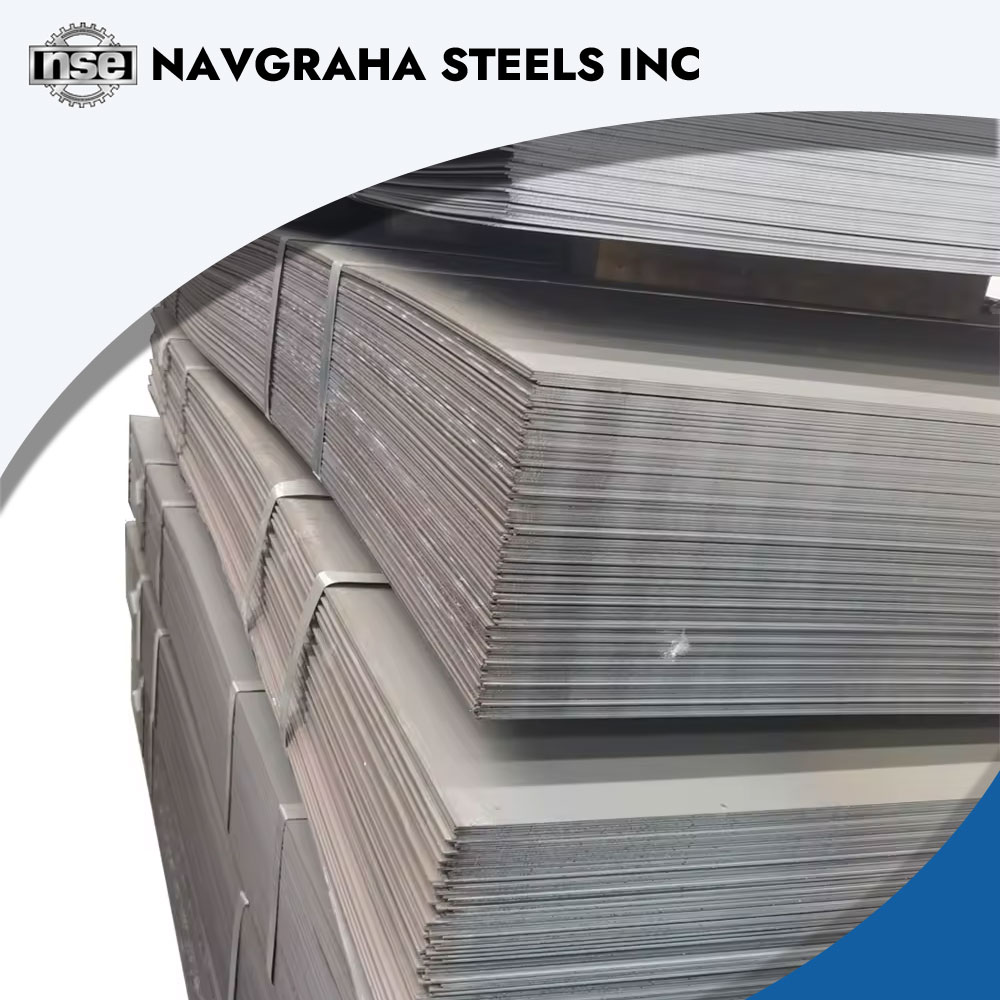
Steel plays a vital role in India’s infrastructure, manufacturing, and industrial growth. From residential buildings and bridges to refineries and transport systems, steel is chosen for its strength, durability, and adaptability. However, selecting the correct steel grade and product form is essential to ensure performance, safety, and cost efficiency.
This guide explains steel grades, types of steel, commonly used steel products, and their applications in Indian construction, supported by a simplified steel grade chart. The information is designed to help engineers, contractors, architects, and buyers make informed material decisions.
What Are Steel Grades?
Steel grades are standardized classifications that define steel based on:
- Chemical composition
- Mechanical properties
- Strength and hardness
- Corrosion and heat resistance
Steel grades help determine whether a material is suitable for structural use, fabrication, pressure applications, or corrosive environments. In India, steel grades commonly follow IS, ASTM, EN, and DIN standards.
Types of Steel Explained (with Product Forms)
1. Carbon Steel
Carbon steel contains carbon as the primary alloying element. Its strength and hardness increase with higher carbon content, making it widely used in construction and engineering.
Common Carbon Steel Grades:
IS 2062, ASTM A36, C45
Carbon Steel Products:
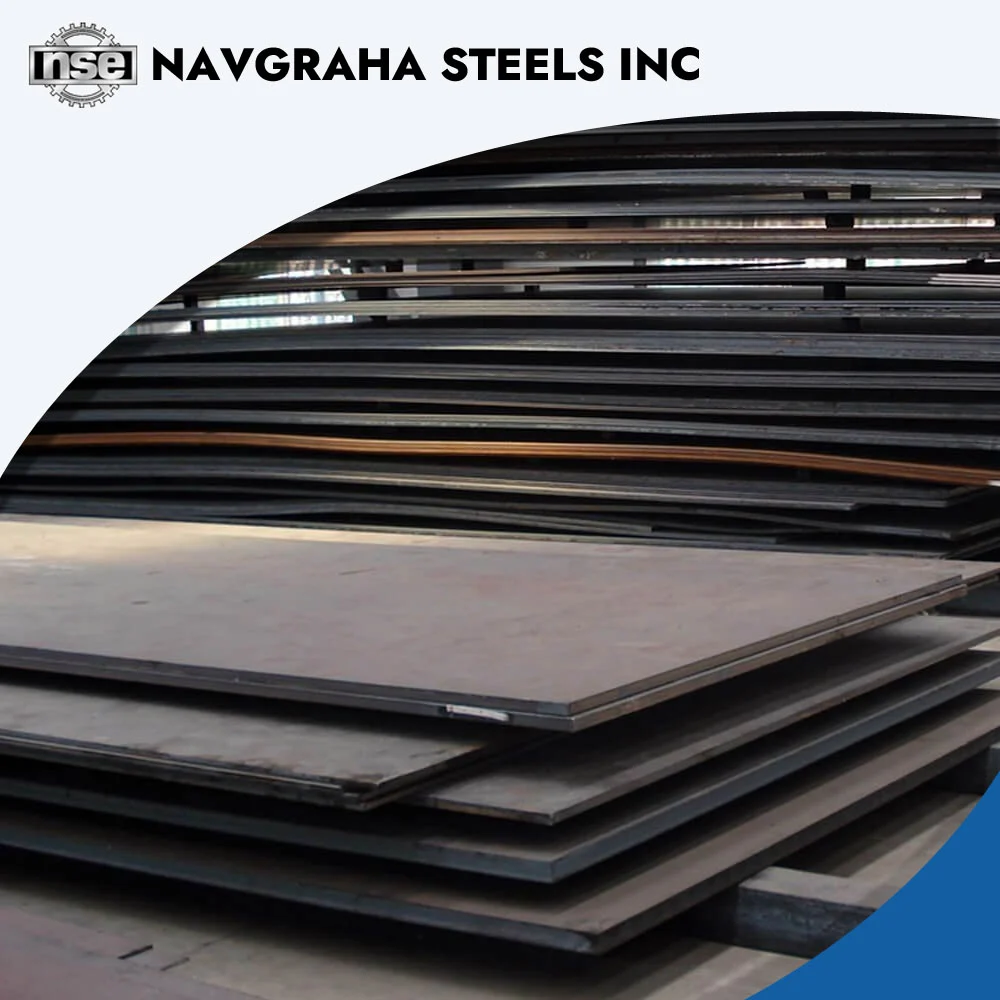
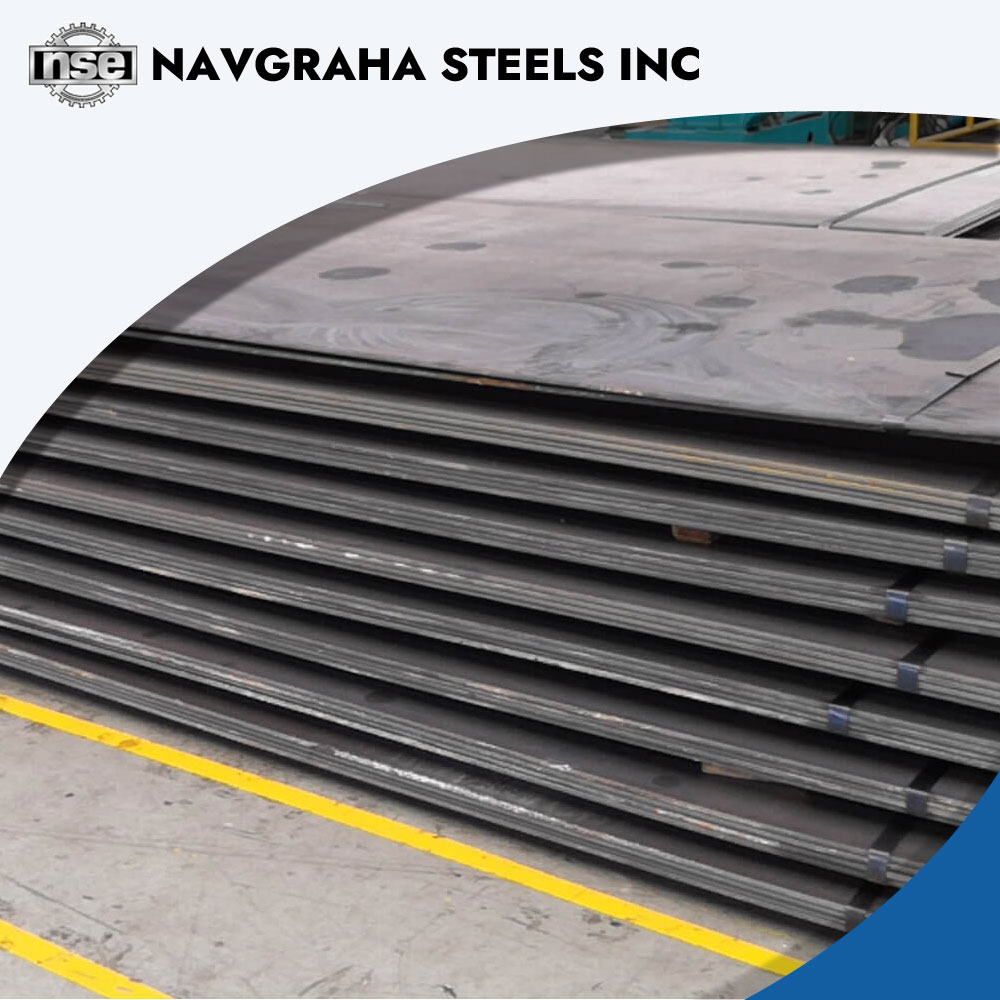
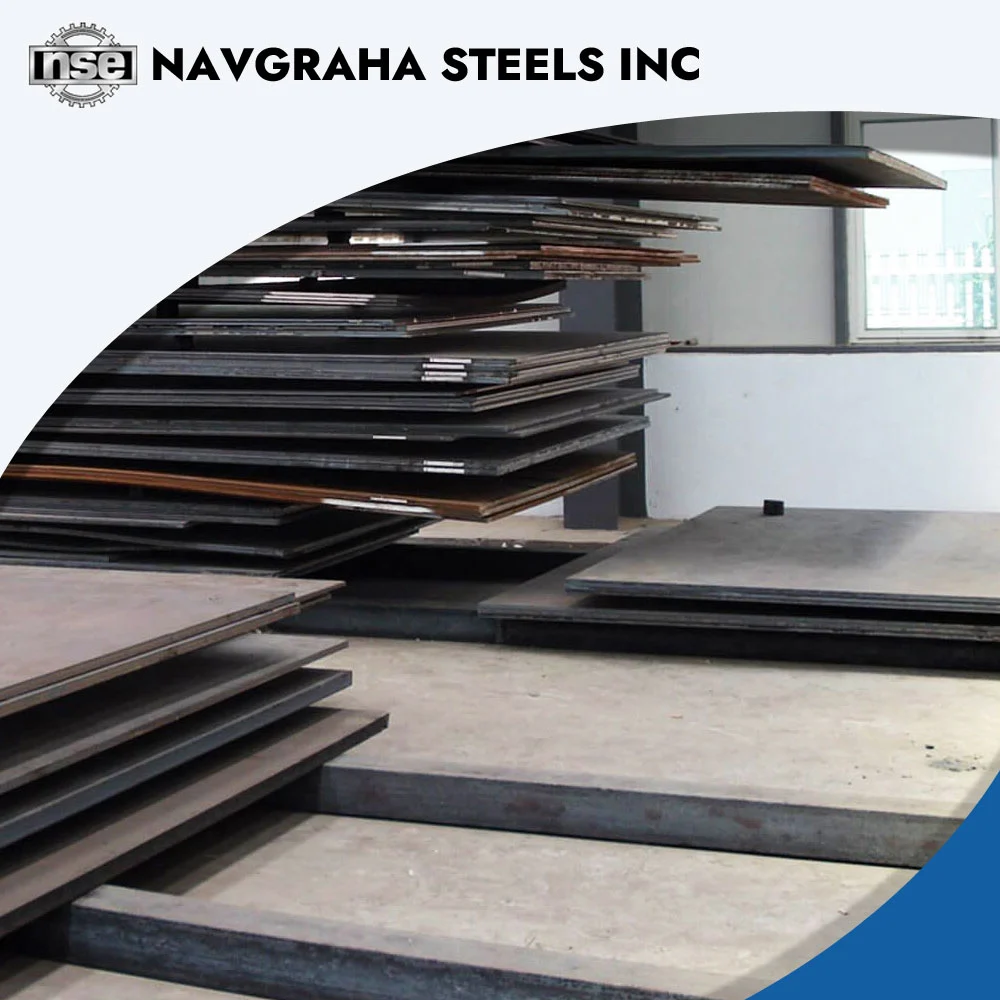
- Carbon Steel Plates
- Carbon Steel Sheets
- Carbon Steel Pipes
- Carbon Steel Round Bars
Key Properties:
- High strength
- Good weldability (low carbon grades)
- Cost-effective
- Easy to fabricate
Carbon steel is one of the most widely used materials in Indian infrastructure projects due to its availability and versatility.
2. Stainless Steel
Stainless steel contains chromium, which forms a protective oxide layer, making it resistant to corrosion and oxidation. It is widely used where hygiene, appearance, and durability are critical.
Common Stainless Steel Grades:
304, 304L, 316, 316L, 310
Stainless Steel Products:
- Stainless Steel Sheets
- Stainless Steel Plates
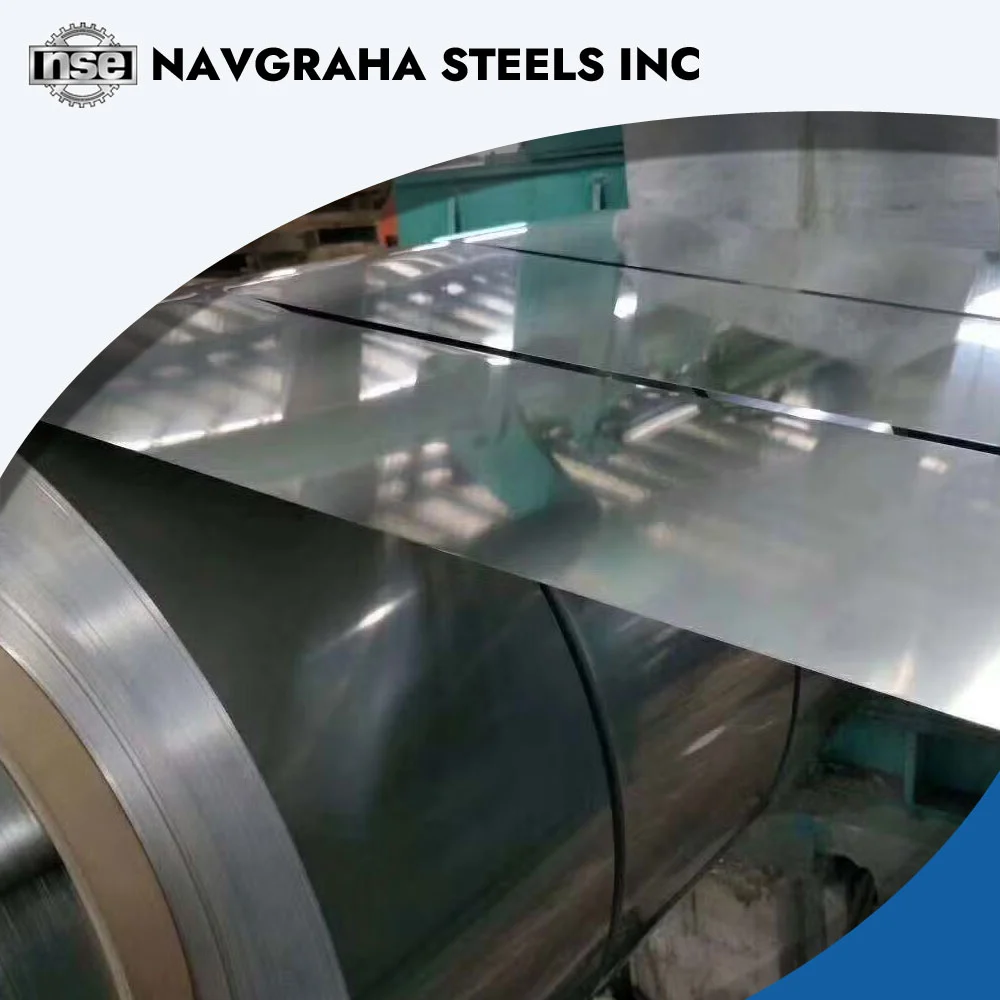
- Stainless Steel Coils
- Stainless Steel Pipes & Tubes
- Stainless Steel Round Bars
Key Properties:
- Excellent corrosion resistance
- High strength and durability
- Easy maintenance
- Aesthetic finish
Stainless steel is commonly used in urban construction, transport infrastructure, and industrial facilities.
3. Alloy Steel
Alloy steel contains additional elements such as chromium, nickel, molybdenum, or manganese to improve strength, toughness, and wear resistance.
Common Alloy Steel Grades:
EN19, EN24, ASTM A335, ASTM A387
Alloy Steel Products:
- Alloy Steel Plates
- Alloy Steel Pipes
- Alloy Steel Round Bars
- Alloy Steel Forged Components
Key Properties:
- High tensile strength
- Better fatigue resistance
- Performs well under high stress and temperature
Alloy steel is preferred for heavy-duty structural and mechanical applications.
4. Duplex & Super Duplex Steel
Duplex steels have a mixed microstructure of austenite and ferrite, offering higher strength and corrosion resistance compared to standard stainless steel.
Common Duplex Grades:
UNS S32205, UNS S32750
Duplex Steel Products:
- Duplex Steel Plates
- Duplex Steel Pipes
- Duplex Steel Fittings
Key Properties:
- High strength-to-weight ratio
- Excellent resistance to chloride corrosion
- Long service life
These steels are used in aggressive environments where both strength and corrosion resistance are required.
5. Nickel Alloy & High-Performance Steel
Nickel alloys are designed for extreme temperatures and corrosive conditions, commonly used in specialized construction and industrial projects.
Common Grades:
Inconel, Monel, Hastelloy
Nickel Alloy Products:
- Nickel Alloy Pipes
- Nickel Alloy Sheets & Plates
- Nickel Alloy Fittings
Key Properties:
- Excellent heat resistance
- Superior corrosion resistance
- High mechanical stability
Steel Grades Chart (Quick Reference)
| Steel Type | Typical Grades | Product Forms | Key Uses |
| Carbon Steel | IS 2062, A36 | Plates, Sheets, Pipes, Bars | Structural frameworks |
| Stainless Steel | 304, 316 | Sheets, Plates, Coils, Pipes | Buildings, transport |
| Alloy Steel | EN24, EN19 | Bars, Plates, Pipes | Heavy construction |
| Duplex Steel | S32205 | Plates, Pipes, Fittings | Coastal & industrial |
| Nickel Alloy | Inconel, Monel | Pipes, Plates | High-temperature zones |
Applications of Steel Products in Indian Construction
1. Structural Frameworks
Carbon steel plates, beams, and round bars are extensively used in:
- Residential and commercial buildings
- Industrial sheds
- Bridges and flyovers
Their high load-bearing capacity makes them ideal for structural skeletons.
2. High-Rise Buildings & Urban Infrastructure
Stainless steel sheets, plates, and coils are used in:
- Building façades
- Staircases and railings
- Roofing and cladding
They provide durability, corrosion resistance, and modern aesthetics.
3. Industrial Construction
Alloy steel plates and pipes are used in:
- Power plants
- Cement factories
- Refineries
These materials withstand high pressure, heat, and mechanical stress.
4. Coastal & Marine Construction
Duplex steel pipes and fittings are preferred for:
- Ports and harbors
- Desalination plants
- Coastal infrastructure
Their resistance to saltwater corrosion ensures longer service life.
5. Infrastructure Utilities & Pipelines
Stainless steel and carbon steel pipes are widely used for:
- Water supply lines
- Drainage systems
- Firefighting pipelines
They offer strength, corrosion resistance, and easy maintenance.
Why Steel Is Preferred in Indian Construction
- High strength-to-weight ratio
- Long service life
- Adaptable to diverse environments
- Easy availability in multiple grades and forms
- Recyclable and sustainable
Conclusion
Understanding steel grades, types, and product forms is essential for selecting the right material for construction and infrastructure projects. Whether it is carbon steel for structural strength, stainless steel for corrosion resistance, or alloy steel for heavy-duty applications, each steel type serves a specific purpose.
By aligning steel grades with application requirements and environmental conditions, construction projects in India can achieve better safety, durability, and cost efficiency.
Frequently Asked Questions (FAQs)
1. What is the most commonly used steel in Indian construction?
Carbon steel grades like IS 2062 are widely used for structural applications.
2. Why is stainless steel used in buildings?
It offers corrosion resistance, durability, and an attractive finish.
3. Where is alloy steel used in construction?
Alloy steel is used in high-load and high-temperature applications such as industrial plants.
4. What steel is suitable for coastal construction?
Duplex and super duplex steels are ideal due to their resistance to saltwater corrosion.
5. How do steel grades affect project cost?
Choosing the correct grade avoids over-engineering and reduces long-term maintenance costs.