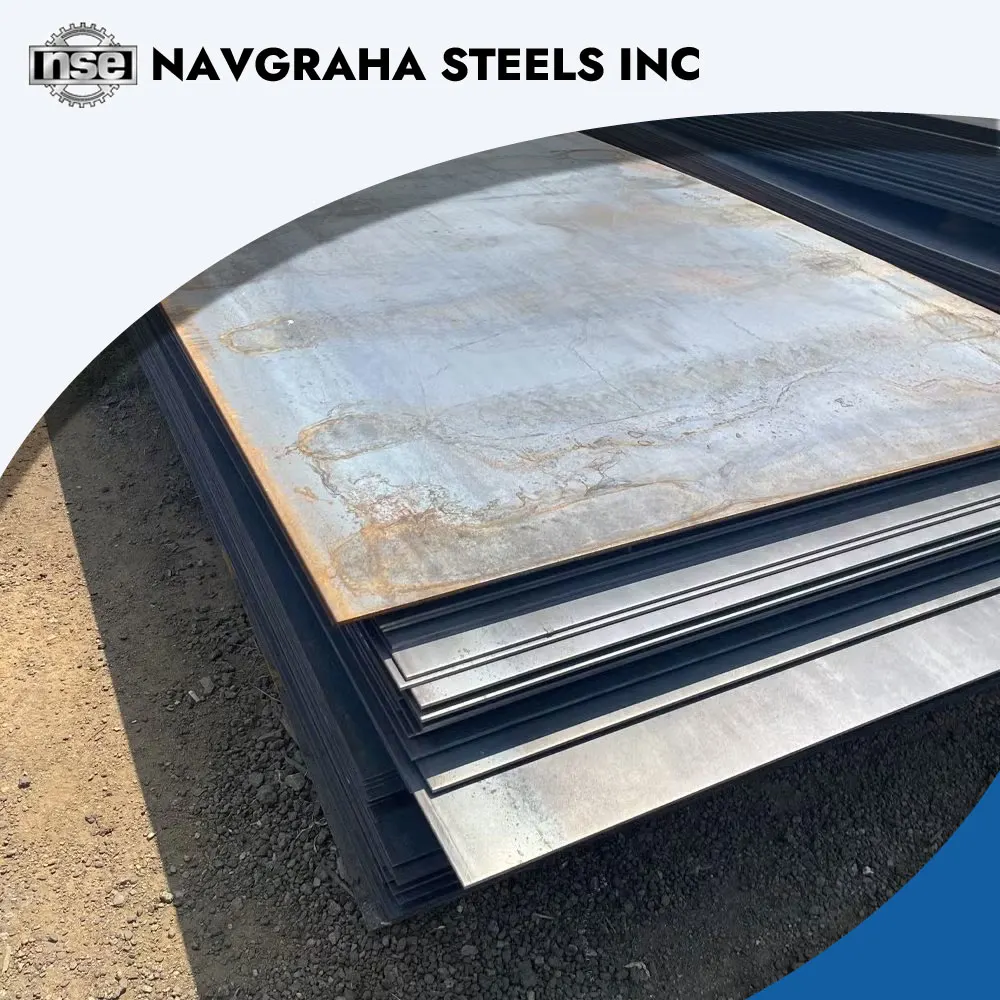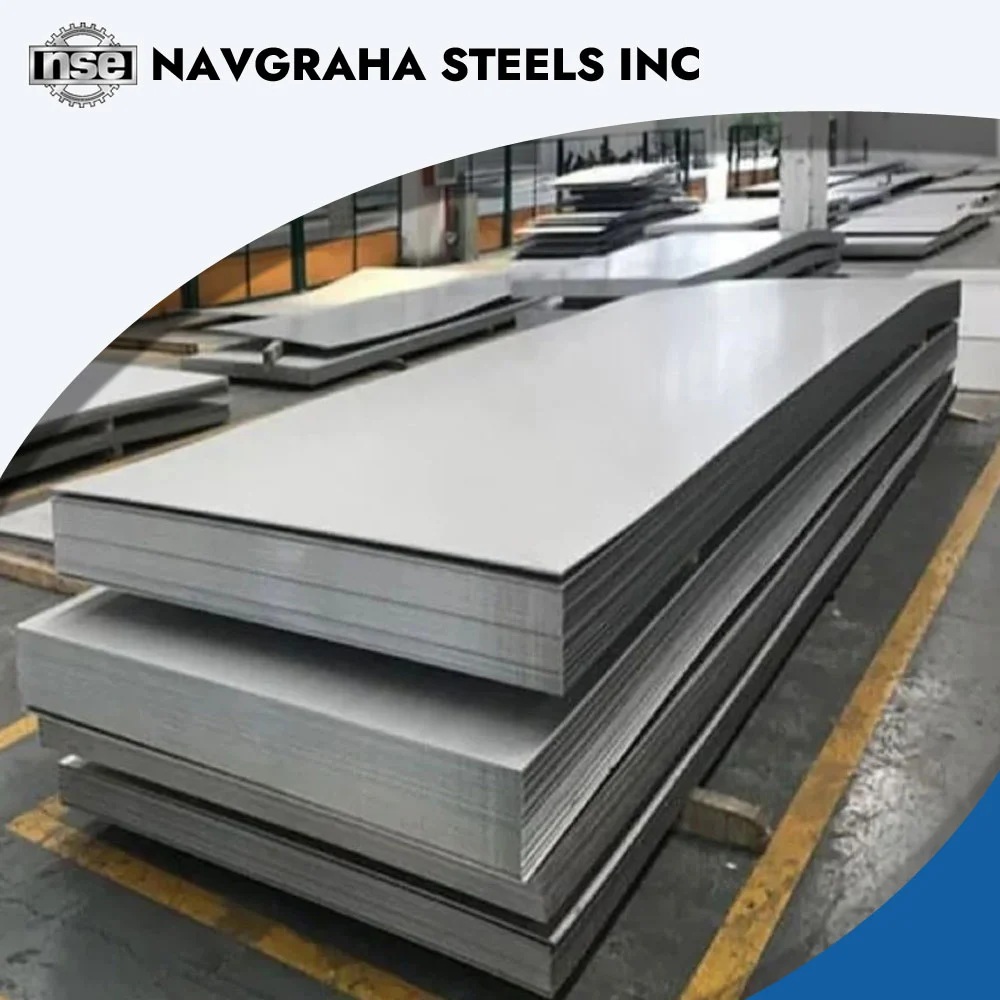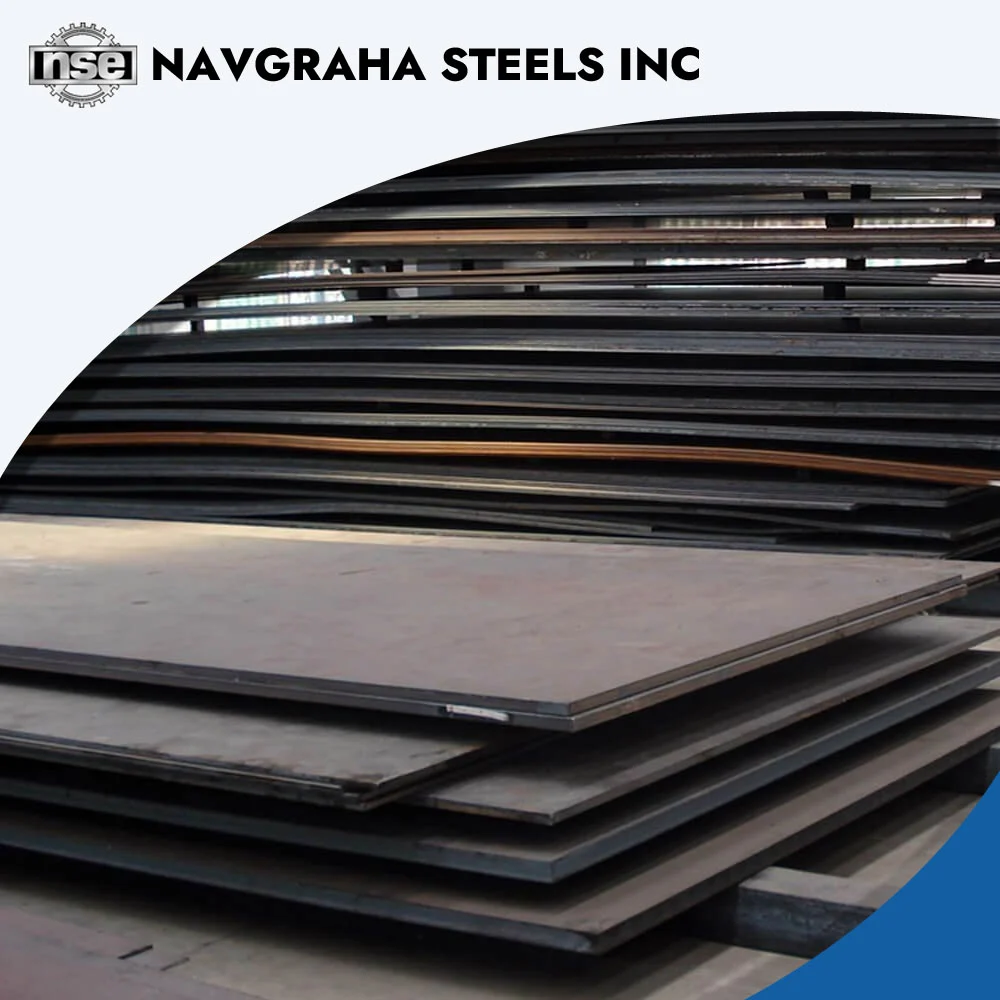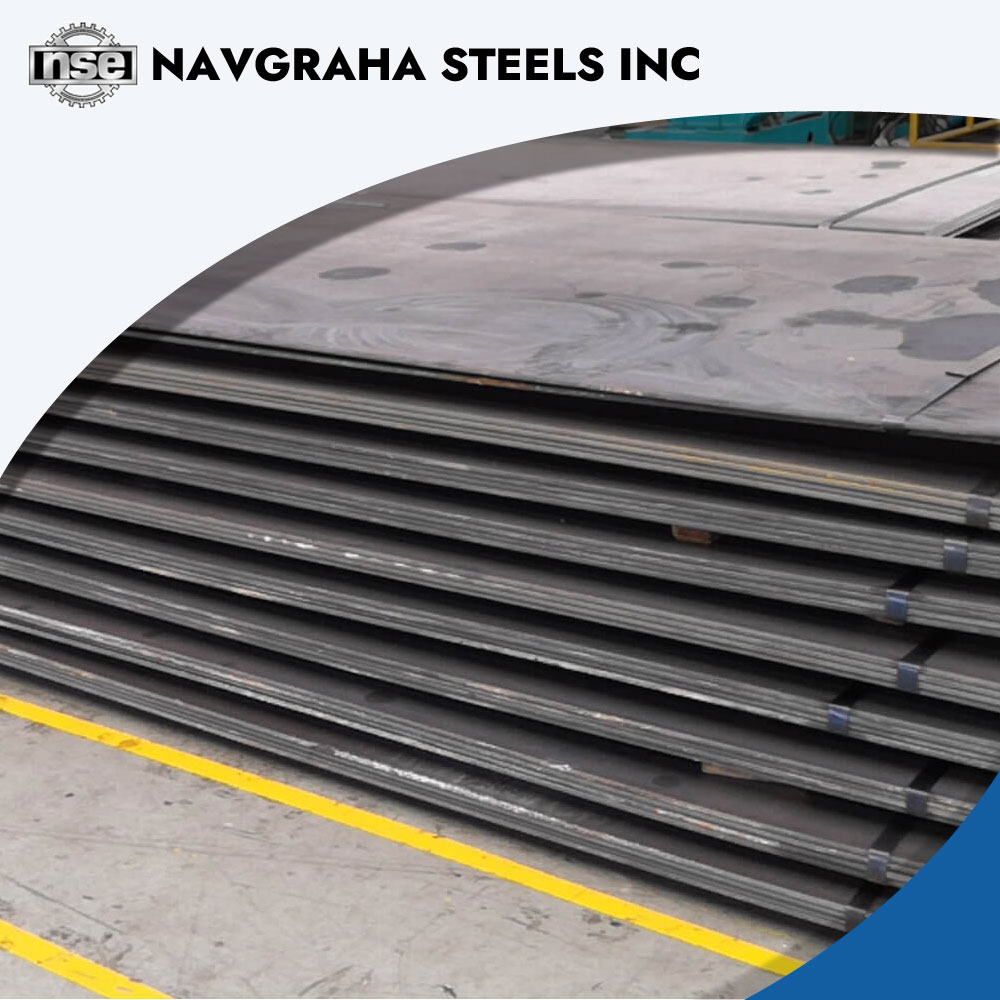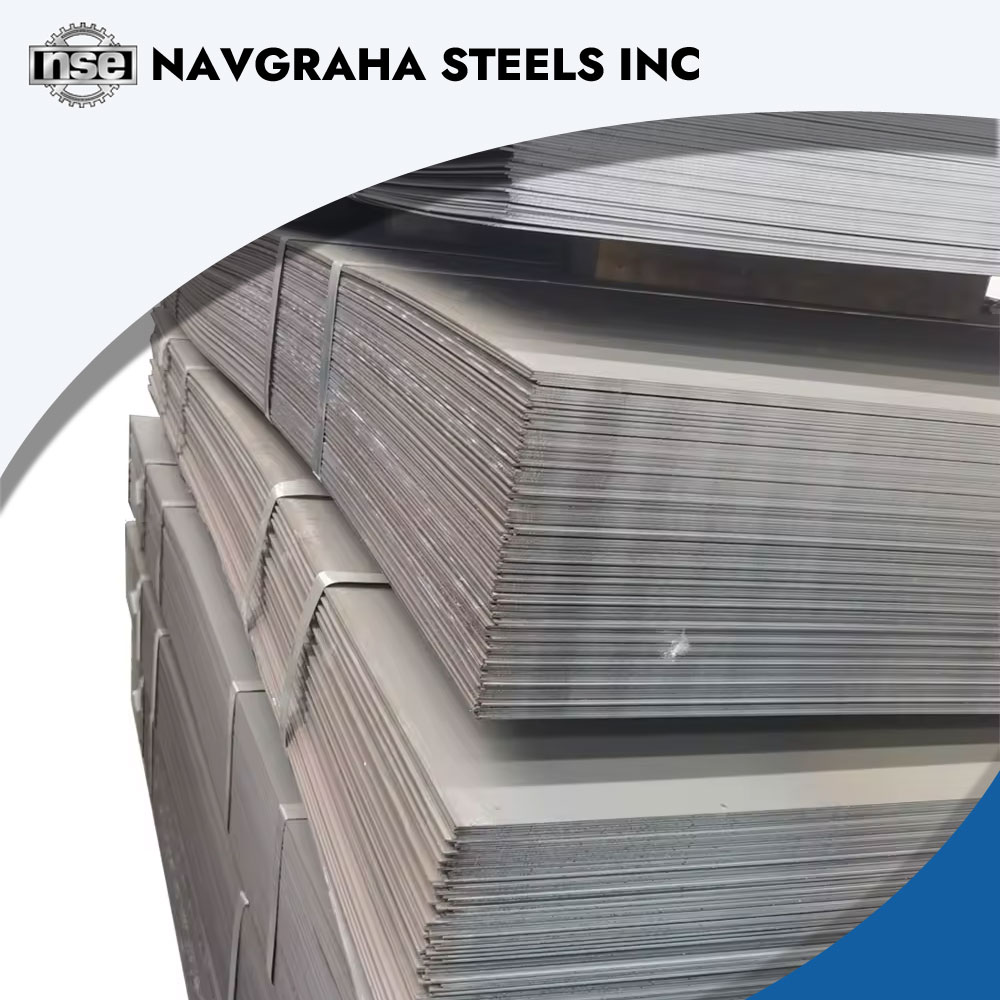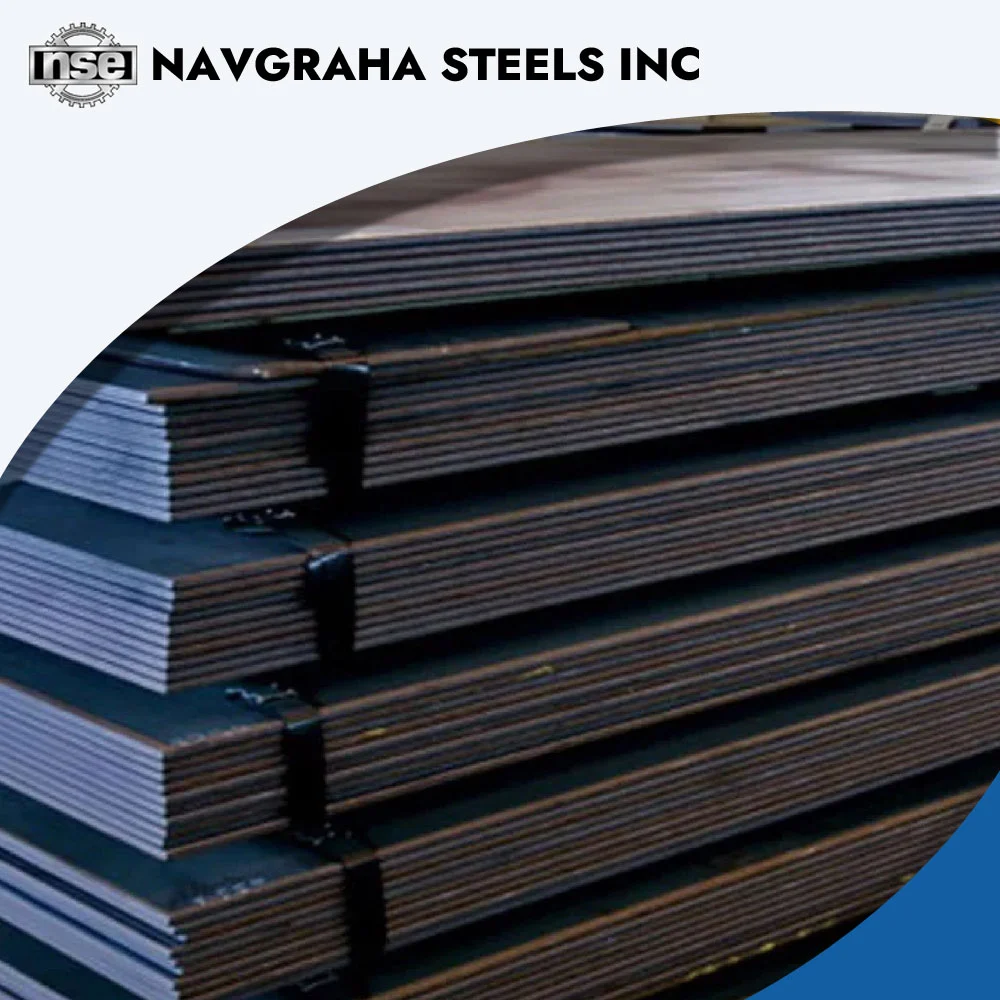
In industries where high pressure and extreme temperatures define daily operations, material selection plays a decisive role in safety, efficiency, and regulatory compliance. Boiler Quality Steel Plates form the backbone of boilers, pressure vessels, and heat exchangers used across power generation, petrochemicals, refineries, and manufacturing plants. These plates must withstand continuous thermal stress while maintaining structural integrity over long service periods.
This blog explains how Boiler Quality Steel Plates ensure safety and compliance, what makes them different from ordinary steel, and why choosing the right supplier matters for industrial reliability.
Understanding Boiler Quality Steel Plates
Boiler Quality Steel Plates are specially engineered steel products designed to perform under high pressure and elevated temperatures. Unlike standard structural steel, these plates undergo strict chemical composition control and mechanical testing to meet international pressure vessel standards.
Manufacturers produce boiler plate steel with precise levels of carbon, manganese, silicon, and alloying elements to improve strength, toughness, and heat resistance. This controlled metallurgy allows the steel to resist deformation, cracking, and corrosion during prolonged exposure to harsh operating conditions.
Why Safety Depends on Boiler Plate Steel Quality
Resistance to High Pressure and Temperature
Boilers operate in environments where internal pressure and heat constantly challenge material limits. Boiler Steel Plates maintain tensile strength and dimensional stability even under cyclic thermal loads. This stability minimizes the risk of bulging, rupture, or sudden failure.
Prevention of Cracks and Failures
Low impurity levels and uniform grain structure help boiler plate steel resist hydrogen-induced cracking and thermal fatigue. As a result, the steel supports safe long-term operation without unexpected breakdowns.
Consistent Performance Over Time
Quality-controlled Boiler Quality Steel Plates retain mechanical properties throughout their service life. This consistency ensures that safety margins remain intact, even after years of operation.
Compliance With International Standards
Regulatory compliance stands as a non-negotiable requirement for pressure equipment. Boiler Quality Steel Plates comply with globally recognized standards such as ASTM, ASME, EN, and IS specifications.
Material Certification and Traceability
Certified Boiler Steel Plates come with mill test certificates that confirm chemical composition, mechanical properties, and heat treatment records. These documents help industries meet inspection and audit requirements.
Meeting Pressure Vessel Codes
Pressure vessel codes demand strict adherence to material standards. Using approved boiler plate steel simplifies equipment approval and reduces regulatory risks during commissioning.
Role of Chemical Composition in Safety
The chemical makeup of Boiler Quality Steel Plates directly affects safety and compliance.
- Controlled carbon content improves weldability without sacrificing strength.
- Manganese enhances toughness and resistance to impact loading.
- Alloying elements improve creep resistance at elevated temperatures.
These properties allow Boiler Steel Plates to handle both steady-state and fluctuating operating conditions without compromising structural integrity.
Mechanical Properties That Matter
High Tensile and Yield Strength
Strong mechanical performance allows boiler plate steel to contain pressure safely while maintaining shape and alignment.
Excellent Impact Toughness
Even at low temperatures, Boiler Quality Steel Plates resist brittle fracture. This toughness proves essential in power plants and refineries exposed to variable climates.
Superior Weldability
Good weldability ensures joints remain strong and defect-free. Welded sections often represent the most critical stress points, so reliable welding performance directly supports safety.
Importance of Heat Treatment
Manufacturers apply controlled heat treatment processes such as normalizing or stress relieving to Boiler Steel Plates. These treatments refine grain structure and eliminate internal stresses.
Heat-treated boiler plate steel delivers uniform mechanical properties across the plate surface, which helps prevent localized failures and ensures predictable performance under load.
Applications That Demand Boiler Quality Steel Plates
Boiler Quality Steel Plates support a wide range of industrial applications, including:
- Power plant boilers and superheaters
- Pressure vessels and reactors
- Heat exchangers and economizers
- Oil and gas processing units
In each case, safety and compliance depend on material reliability and adherence to standards.
Why Supplier Selection Influences Compliance
Choosing a trusted Steel Plate Supplier in India ensures access to certified materials, consistent quality, and technical support. Reputable suppliers maintain strict quality control and source plates from approved mills.
Industries often rely on experienced partners such as carbon steel suppliers in india and carbon steel suppliers in mumbai to meet demanding project specifications. For specialized applications, working with alloy steel suppliers in in india adds further assurance of performance and compliance.
Reliable suppliers help industries avoid costly delays, rejections, and safety risks associated with substandard materials.
Quality Testing and Inspection Standards
Manufacturers and suppliers subject Boiler Quality Steel Plates to rigorous testing, including:
- Tensile and yield strength tests
- Impact testing at specified temperatures
- Ultrasonic testing for internal defects
- Chemical composition analysis
These inspections confirm that Boiler Steel Plates meet both mechanical and regulatory requirements before delivery.
Long-Term Benefits of Using Boiler Quality Steel Plates
Enhanced Operational Safety
High-quality boiler plate steel reduces the likelihood of leaks, ruptures, and catastrophic failures.
Regulatory Confidence
Certified materials simplify compliance with national and international inspection bodies.
Lower Maintenance Costs
Durable Boiler Quality Steel Plates resist wear and thermal fatigue, reducing downtime and repair expenses.
Extended Equipment Life
Stable mechanical properties help boilers and pressure vessels operate efficiently over longer service cycles.
Future Trends in Boiler Steel Plates
Advancements in steelmaking continue to improve Boiler Steel Plates. Modern production focuses on cleaner steel, tighter tolerances, and improved creep resistance. These developments support higher efficiency boilers and stricter safety regulations worldwide.
As industries adopt advanced energy systems, demand for reliable Boiler Quality Steel Plates will continue to grow.
Frequently Asked Questions (FAQs)
1. What makes Boiler Quality Steel Plates different from normal steel plates?
Boiler Quality Steel Plates feature controlled chemistry, higher strength, and better heat resistance than ordinary steel, making them suitable for pressure and temperature-intensive applications.
2. Are Boiler Steel Plates mandatory for pressure vessels?
Yes, pressure vessel codes require approved Boiler Steel Plates to ensure safety and regulatory compliance.
3. How do Boiler Quality Steel Plates improve safety?
They resist cracking, deformation, and failure under high pressure and temperature, ensuring stable and safe operation.
4. Can boiler plate steel be welded easily?
Yes, boiler plate steel offers good weldability due to controlled carbon content and proper heat treatment.
5. Why should industries choose certified steel plate suppliers?
Certified suppliers provide traceable, tested Boiler Quality Steel Plates, reducing compliance risks and ensuring long-term reliability.