

inside=banner
Home  ›  Products  ›  Alloy & Chrome-Moly Steel Plates

Alloy & Chrome-Moly Steel Plates for Elevated-Temperature Equipment

Navgraha Steels INC supplies alloy and chrome-moly steel plates for pressure equipment, boilers, refinery units, reactors, heat exchangers and power-sector fabrication where an approved specification requires alloy steel for elevated-temperature service. The category includes SA 387 Grade 11 Class 2, Grade 22 Class 2, Grade 91 Class 2, Grade 12 Class 2 and 16Mo3.

These grades are not interchangeable. For a technical and commercial offer, send the complete specification, grade and class, plate dimensions, quantity, required heat treatment, impact or ultrasonic testing, welding/PWHT constraints, certificate type, approved mill and delivery destination.
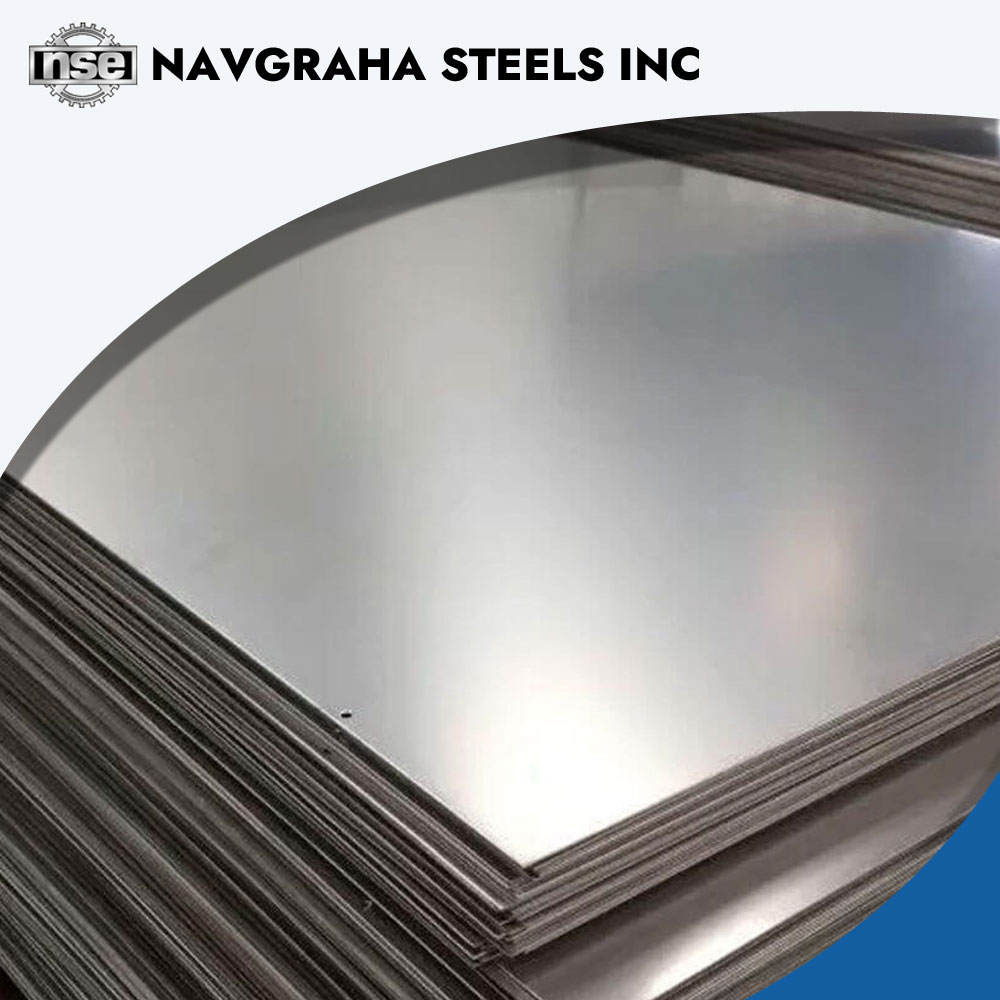
SA 387 and 16Mo3 Grades Available for Enquiry

SA 387 Grade 11 Class 2

SA 387 Grade 11 Class 2 is a chromium-molybdenum alloy pressure-vessel steel used for approved elevated-temperature boilers, vessels, refinery equipment and heat exchangers. The purchase order must identify Class 2 and the required heat-treatment condition; Class 1 should not be supplied as an unapproved substitute.

READ MORE
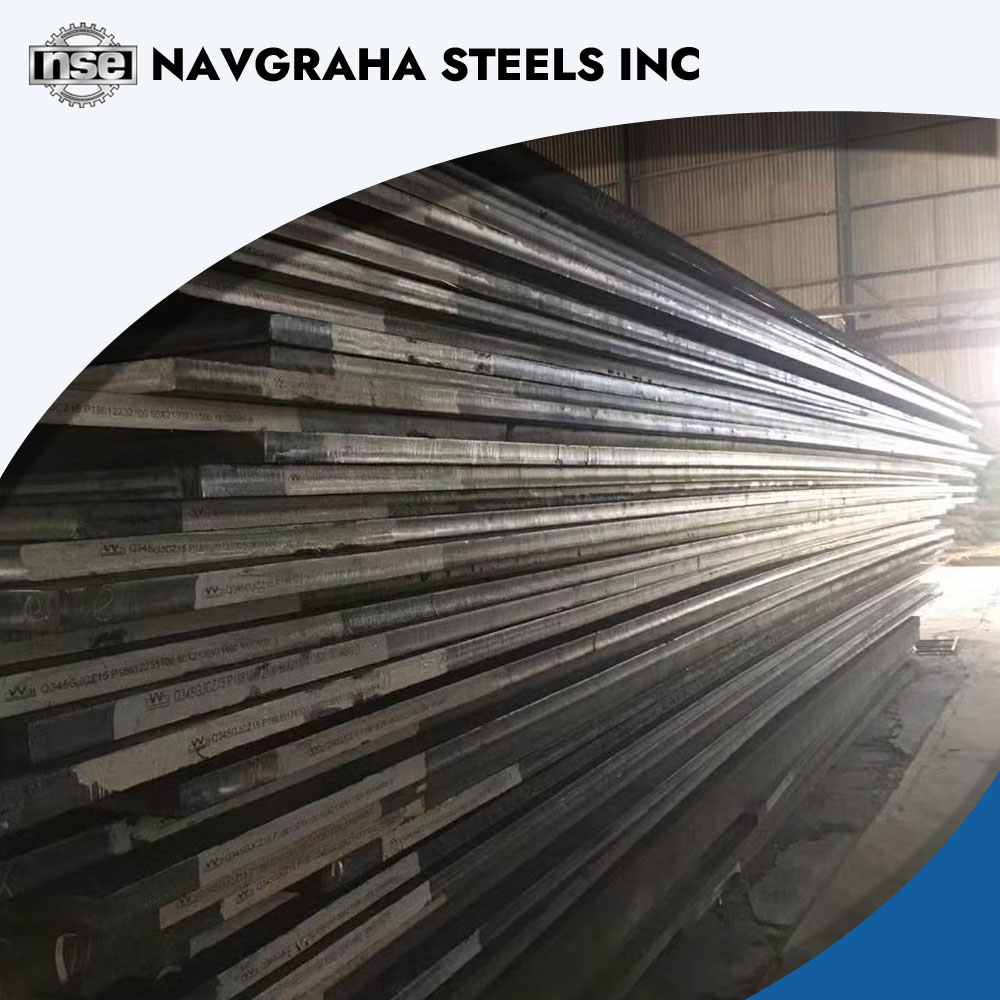
SA 387 Grade 22 Class 2

SA 387 Grade 22 Class 2 contains a different chromium-molybdenum alloy system from Grade 11 and is specified for particular elevated-temperature pressure-equipment duties. Selection should follow the vessel design, temperature, fabrication and code requirements.

READ MORE
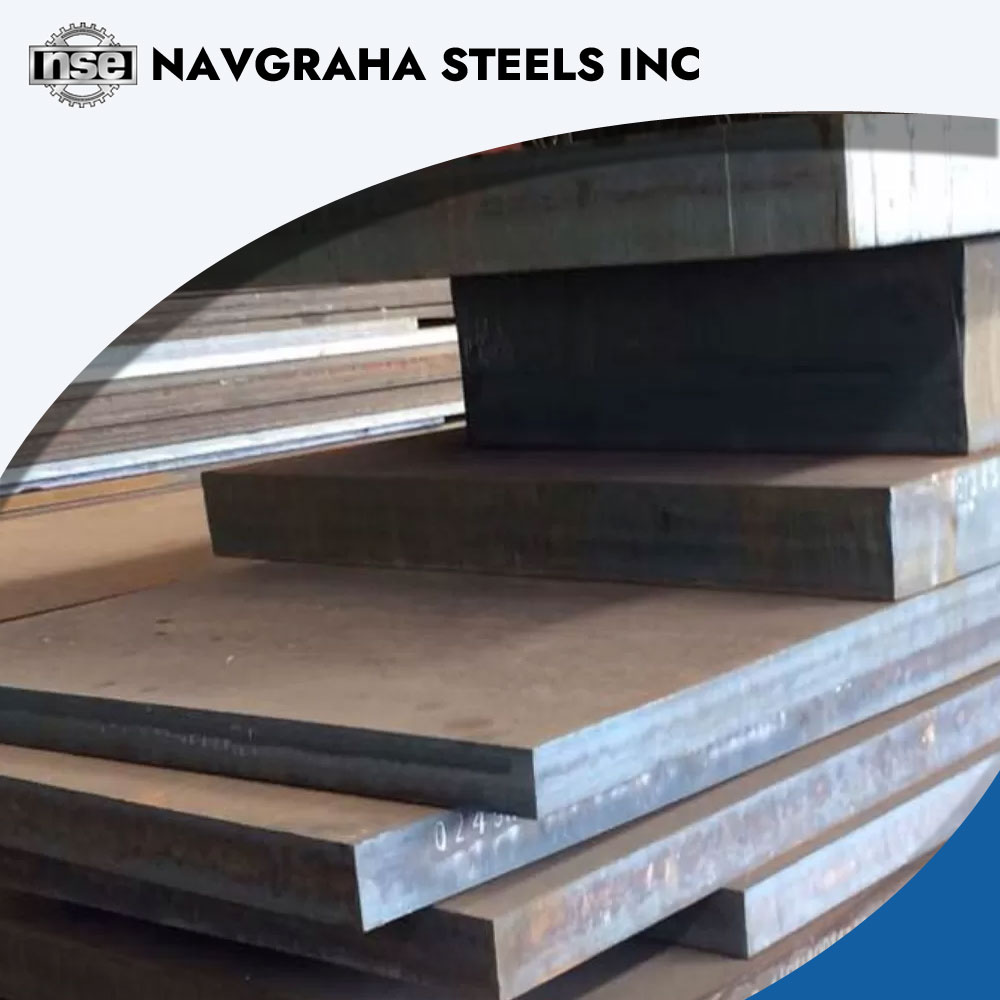
SA 387 Grade 91 Class 2

SA 387 Grade 91 Class 2 is a creep-strength-enhanced alloy steel for demanding high-temperature equipment. Material identity, heat treatment, welding consumables, preheat, interpass control and post-weld heat treatment require strict project and fabrication control. It must not be treated as ordinary chrome-moly plate.

READ MORE
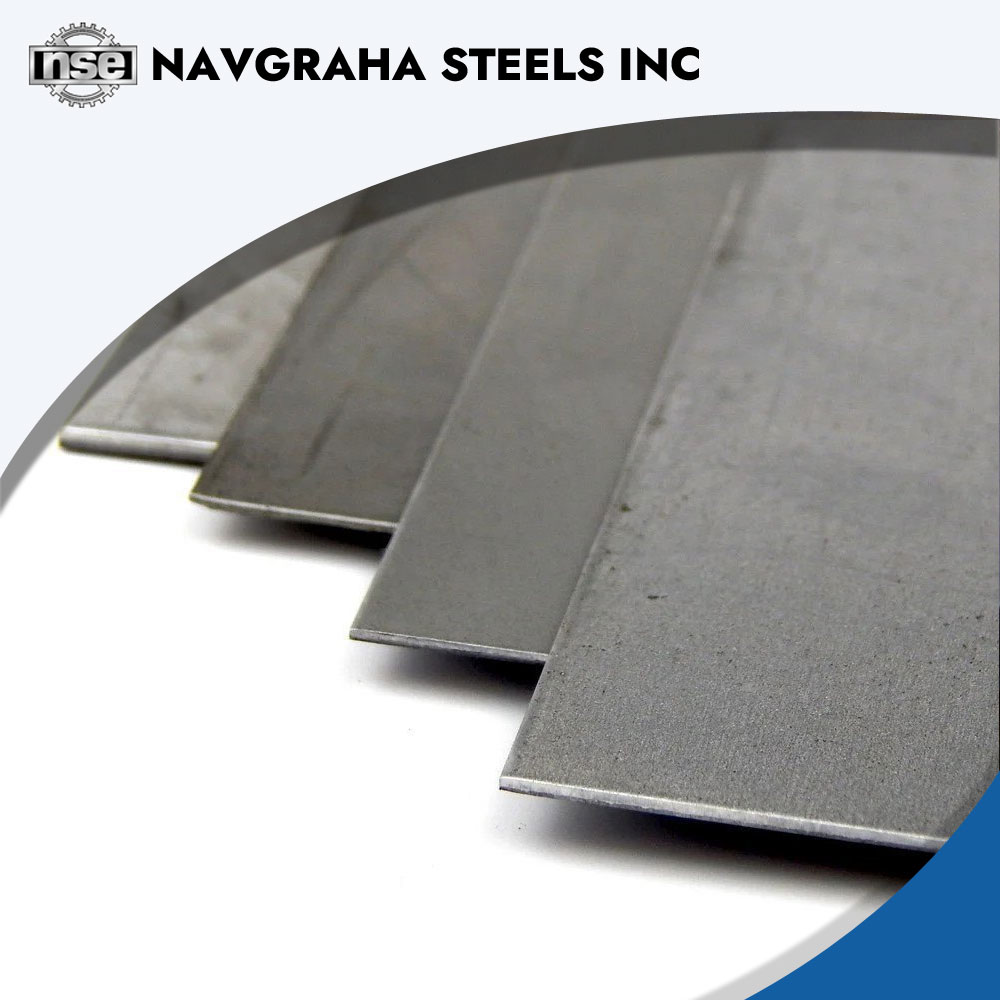
SA 387 Grade 12 Class 2

SA 387 Grade 12 Class 2 is a chromium-molybdenum pressure-vessel steel for specified elevated-temperature applications. The applicable class, condition, thickness-dependent properties and supplementary requirements should be confirmed in the RFQ.

READ MORE
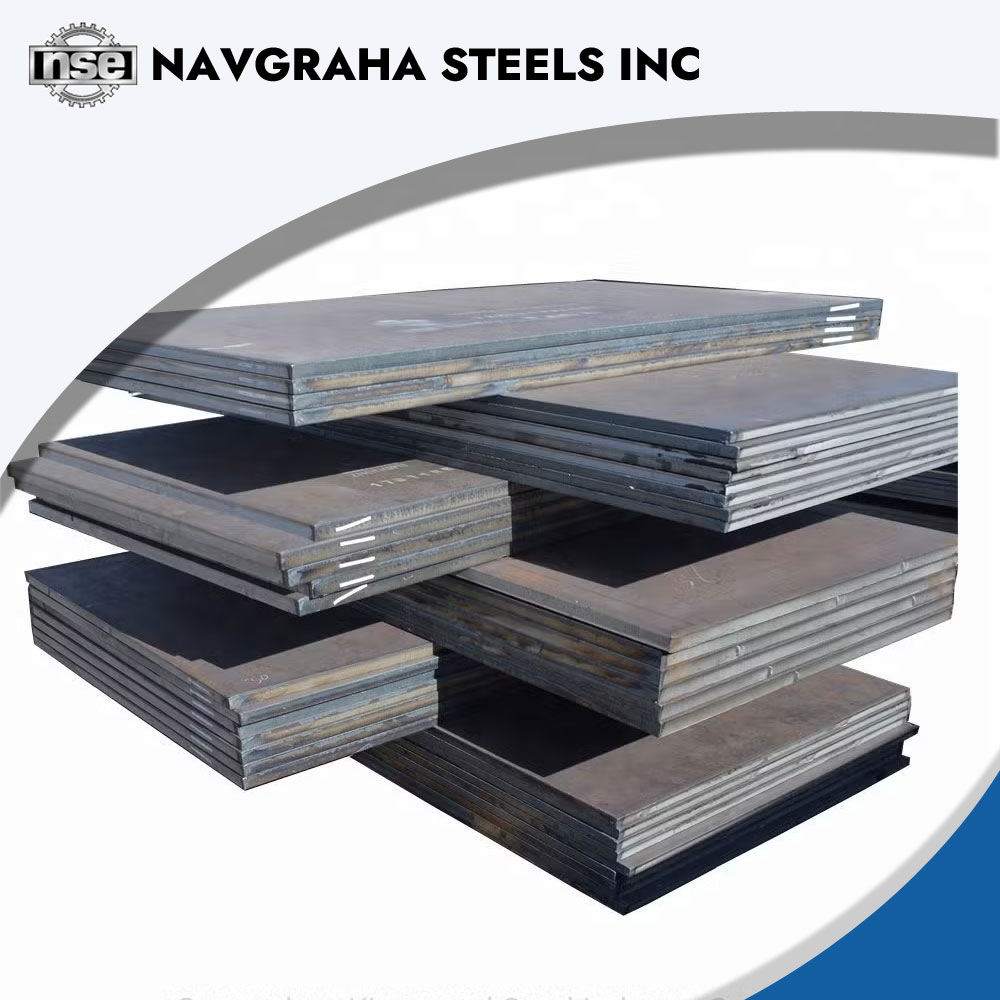
16Mo3

16Mo3 is a molybdenum-alloy pressure-equipment steel covered by the applicable EN specification and used for approved boilers, pressure vessels, heat exchangers and power equipment. It is not an automatic equivalent of SA 387 Grade 11 or another ASME grade; substitution requires engineering, code and client approval.

READ MORE

Select Chrome-Moly Plate by Project Requirement

Procurement questionWhy it matters
Which design code and material specification apply?Determines whether an ASME/ASTM or EN grade is acceptable
What is the exact grade and class?SA 387 grades and Class 1/Class 2 requirements have different specified properties
What are the design and operating temperatures?Material selection and long-term elevated-temperature behaviour are service-specific
What heat-treatment condition is required?Normalising, tempering, quenching and tempering or another condition may be mandatory for the grade and thickness
Is impact or ultrasonic testing required?Test temperature, orientation, examination method and acceptance level affect sourcing
What welding and PWHT rules apply?Chrome-moly grades require grade-specific fabrication procedures and controls
Is the mill or origin restricted?EPC and end-user approved-vendor requirements can limit sourcing options
Which certificate and inspection package is needed?EN 10204 type, ITP, third-party witnessing and code documents influence price and lead time
“High-temperature plate” is not a complete material specification. No fixed temperature limit, corrosion capability or service life should be assigned from the category name alone. The responsible engineer must select the grade using the design code, stress values, exposure time, thickness, environment and fabrication procedure.
SA 387 Class 1 vs Class 2: Class must be stated exactly. Class 2 generally represents a different specified strength level and may require a particular heat-treatment route, but the precise requirements vary by grade, thickness and specification edition. Verify the plate marking and MTC before cutting.
SA 387 vs 16Mo3: SA 387 is an ASTM/ASME family of chromium-molybdenum pressure-vessel steels, while 16Mo3 is an EN pressure-equipment steel. They differ in standard, composition, property requirements and supply conditions. Commercial similarity does not establish technical equivalence.

Product Forms, Plate Sizes and Processing

Buying requirementSupply options and limitations
PlatesStandard mill plates, full plates or processed plates according to grade, class, thickness and source availability
SheetsReviewed only where the required grade, specification, thickness and manufacturing route support sheet supply
CoilsReviewed where the grade, gauge, width, condition and commercial quantity support coil production or sourcing
Heat treatmentSupplied only in the condition required by the specification and supported by the material documents
ProcessingCutting, profiling, bevel or edge preparation, marking and packing where technically feasible
TraceabilityHeat-number and material-identity control according to the agreed processing and inspection procedure
QuantityIndividual plates, shutdown requirements, repeat orders and project quantities subject to stock or mill availability
Buyers should specify dimensional tolerances, flatness, surface condition, permissible weld repair, edge condition, corrosion allowance and weight basis where relevant. Processing must preserve identification and traceability required by the project.
The terms plate, sheet and coil do not guarantee that every SA 387 or 16Mo3 grade is manufactured in every gauge or width. Confirm product-form coverage against the governing standard, mill programme and order quantity.

Applications, Welding and Fabrication Considerations

Alloy and chrome-moly plates may be specified for:

  • Refinery reactors, separators and pressure vessels
  • Petrochemical and chemical process equipment
  • Industrial boilers and high-temperature pressure components
  • Heat exchangers and process columns
  • Power-generation boilers and associated equipment
  • Hydrogen-service and hydroprocessing units where the approved specification calls for the grade
  • Fertiliser, oil-and-gas and EPC project equipment
  • Fabricated components exposed to specified elevated-temperature service

The application list is indicative, not a performance guarantee. Selection and fabrication should address:

  • Design pressure, temperature and intended service life
  • Grade- and thickness-specific allowable stresses
  • Heat treatment and post-weld heat treatment
  • Welding procedure qualification and consumable selection
  • Preheat, interpass temperature and hydrogen control
  • Impact toughness and test temperature
  • Creep, oxidation and process-corrosion considerations
  • Nondestructive examination and acceptance criteria
  • Forming, machining and heat-treatment effects
  • Material segregation and positive material identification where required
Chrome and molybdenum additions can improve specified elevated-temperature and oxidation-related properties, but they do not make every grade universally corrosion-resistant. Where the process environment requires a nickel alloy or another corrosion-resistant material, refer to the approved materials specification and the Nickel Alloy & Exotic Plates category.

Related links: Pressure Vessel Steel | Boiler Quality Steel | Nickel Alloy & Exotic Plates

Stock, Mill Sourcing and Project Delivery

Navgraha Steels INC handles alloy and chrome-moly plate enquiries through available stock, domestic sourcing, international mill sourcing and imports. The sourcing route depends on grade, class, plate size, heat-treatment condition, approved origin, certificate package, quantity and project schedule.

Commercial capabilities include:

  • Ready-stock review for applicable SA 387 and 16Mo3 plates
  • Full plates, cut-size quantities and project procurement
  • Approved-mill, manufacturer or country-of-origin sourcing
  • Cutting, profiling, bevel or edge preparation and plate marking where applicable
  • Material segregation and heat-number traceability based on the agreed procedure
  • Supplementary testing and third-party inspection coordination
  • Shutdown, maintenance and project-delivery planning according to confirmed availability
  • Domestic transport and export logistics support
  • Packing and marking matched to the product form, handling method and destination
The company portfolio refers to sourcing options associated with SAIL, AMNS, JSPL, Evonith and relevant international mills, stockholders or alloy-material sources. Availability is grade- and order-specific. A named mill or brand must not be presented as permanent inventory, authorised distributorship or manufacturer endorsement without supporting written evidence.
For eligible ready-stock plates, urgent processing or dispatch may be possible. Same-day, 24–72-hour or other delivery language applies only when the exact heat/plate, condition, quantity, payment, tests, processing, documents and destination are confirmed. Mill orders, imports, heat treatment, UT, third-party inspection and special export packing require separate lead-time confirmation.

MTC, Heat Treatment, Testing and Inspection Documents

Chrome-moly procurement requires careful verification of grade, class, heat treatment and traceability. The document package must be defined before quotation and reviewed before fabrication.

Depending on the material, manufacturer and agreed order scope, supply may include:

  • Manufacturer material test certificate
  • EN 10204 Type 3.1 certificate where applicable
  • EN 10204 Type 3.2 validation or inspection when arranged before order placement
  • Heat number, chemical composition and mechanical-property results
  • Heat-treatment records identifying the supplied condition
  • Impact-test results at the specified temperature and orientation
  • Ultrasonic examination report to the ordered standard and acceptance level
  • Positive material identification or additional laboratory testing when specified
  • IBR- or PED-related documents for eligible project requirements
  • Inspection and test plan, third-party release and traceability records
Third-party inspection by SGS, Bureau Veritas, TÜV, Lloyd's Register, DNV or another nominated agency may be arranged when agreed in the inspection scope. These names represent potential inspection services, not standing product endorsements.
IBR, PED, ASME, EN and certificate references apply only to the specific material and documents supplied. Any company ISO certification should be published only with its current certificate number, issuing body, scope and validity.

Chrome-Moly Plate Price, India Supply and Export Enquiries

Price varies by grade and class, plate thickness and dimensions, quantity, mill and origin, heat treatment, impact/UT requirements, certificate type, inspection, processing, packing and destination.

Send the following for an accurate quotation:

  • Complete ASTM/ASME or EN material specification
  • Exact grade and class
  • Required heat-treatment condition
  • Plate thickness, width and length
  • Number of plates or total weight
  • Impact-test temperature, orientation and acceptance requirement
  • Ultrasonic, PMI, hardness or other supplementary tests
  • Welding/PWHT or fabrication-related material restrictions
  • MTC and EN 10204 certificate type
  • IBR, PED, EPC, end-user or approved-vendor requirements
  • Approved mill, origin or brand restriction
  • Cutting, edge, marking, traceability and packing requirements
  • Delivery city, destination port/country, required date and Incoterm

Navgraha Steels INC accepts enquiries across India and from export buyers. Export scope can include agreed product marking, seaworthy packing, inspection records, commercial and shipping documents and logistics coordination. Freight, insurance, taxes, duties, offer validity and delivery schedule are stated in the commercial offer.

Request SA 387 or 16Mo3 Plate Price and Availability

Upload the RFQ, material requisition, plate schedule or project specification. Our team will review the grade, class, condition, dimensions, tests, documents, mill restrictions and delivery requirement before providing an applicable offer.

Request Chrome-Moly Plate Quote

Frequently Asked Questions

What are chrome-moly steel plates?
They are alloy steel plates containing chromium and molybdenum in grade-specific amounts. Certain grades are specified for pressure equipment and elevated-temperature service, but capability depends on the exact grade, class, condition and design requirements.
Which chrome-moly grades does Navgraha Steels INC supply?
The listed range includes SA 387 Grade 11, Grade 22, Grade 91 and Grade 12 Class 2, plus 16Mo3. Availability varies by grade, condition, thickness, size, quantity and documentation.
What is the difference between SA 387 Grade 11 and Grade 22?
They have different alloy compositions and specification requirements. Neither should replace the other without review of design temperature, strength, heat treatment, welding and project approval.
Why is SA 387 Grade 91 handled separately?
Grade 91 is a creep-strength-enhanced alloy requiring strict control of material identity, heat treatment and fabrication. Welding and PWHT must follow an approved grade-specific procedure.
What does Class 2 mean in SA 387?
Class 2 identifies a specified mechanical-property level and associated requirements for the applicable grade. The exact class and heat-treatment condition must be stated and verified on the MTC.
Is 16Mo3 equivalent to SA 387 Grade 11?
No automatic equivalence should be assumed. 16Mo3 follows an EN specification, while SA 387 Grade 11 follows ASTM/ASME requirements. Substitution requires engineering and code approval.
Are chrome-moly plates always supplied normalised and tempered?
No universal condition applies across all grades and thicknesses. The required condition must follow the exact material specification and purchase order and be confirmed in the heat-treatment records.
Can alloy plates be supplied with ultrasonic testing?
UT can be reviewed when the examination standard, coverage, acceptance level and report requirements are specified before order placement.
Are EN 10204 3.1 and 3.2 certificates available?
Type 3.1 documentation may be available with applicable mill material. Type 3.2 requires additional validation or inspection arrangements and must be agreed in advance.
Can third-party inspection and PMI be arranged?
These services can be reviewed when the agency, method, extent, acceptance criteria, witnessing stages and charges are agreed before dispatch.
Do you supply SA 387 and 16Mo3 across India and for export?
Domestic and export enquiries are accepted. Availability, documents, inspection, packing, freight, Incoterm and delivery schedule are confirmed for the specific order.
What information is required for a chrome-moly plate quotation?
Provide the specification, grade/class, condition, dimensions, quantity, tests, certificate type, approved mill, processing, destination and required delivery date.