Steel is one of the most durable and widely used materials across industries — from pressure vessels and boilers to petrochemical plants and marine structures. Yet even the toughest carbon steel plates and alloy steel sheets are not entirely immune to rust. Exposure to moisture, air, humidity, and harsh chemicals over time causes rust of steel — leading to material degradation and potential compliance issues.
Whether you’re a fabricator working with carbon steel plates, a procurement manager handling stored steel coils, or an EPC contractor managing a long-term project inventory, knowing how to remove rust from steel plates and sheets quickly and safely is essential. In this guide, we walk you through seven highly effective rust removal methods — along with maintenance tips to prevent rust of steel from coming back.
Why Does Rust of Steel Occur — And Why Does It Matter?
Rust of steel occurs when iron in the metal reacts with oxygen and moisture, forming iron oxide on the surface. Carbon steel, alloy steel, and even certain specialty grades are prone to this reaction. Unlike stainless steel, carbon steel plates and sheets lack the chromium content that forms a natural protective oxide layer — making them more vulnerable to rust formation.
Rust not only affects the appearance of steel but can compromise the mechanical integrity of the material — a serious concern for boiler-quality plates, pressure vessel sheets, and structural coils that must meet strict ASME, ASTM, and NACE standards. This is why knowing the right methods to remove rust from steel surfaces promptly is critical for fabricators, plant operators, and procurement teams alike.
Tips to Remove Rust from Steel Plates & Sheets
1. Baking Soda and Water: A Gentle DIY Method to Remove Rust from Steel
One of the simplest DIY methods to remove rust from steel surfaces is a paste made from baking soda and water. Baking soda acts as a mild abrasive that lifts rust stains without damaging the steel surface underneath.
How to use it:
Mix baking soda with water to form a thick paste and apply it evenly over the rusted area on the steel plate or sheet. Allow it to sit for 30 minutes, then scrub in circular motions using a soft cloth or non-scratch sponge. Rinse with warm water and dry the surface thoroughly to prevent further rust of steel.
This method works best for minor surface rust on stored carbon steel sheets and coils and is safe for most grades.
2. White Vinegar: A Powerful Natural Rust Remover for Steel
White vinegar is a tried-and-tested natural solution to remove rust from steel plates and sheets. The acetic acid in vinegar breaks down rust of steel particles effectively, making the surface easier to clean without resorting to harsh chemicals.
How to use it:
Pour white vinegar directly onto the rusted area or soak a cloth in vinegar and place it over the rust. Allow it to sit for 10–15 minutes, then scrub with a non-abrasive sponge or soft brush. Rinse and dry thoroughly after cleaning.
For deep-seated rust of steel on stored coils or plates, you may need to repeat the process or extend the soaking time for better results.
3. Lemon Juice and Salt: A Natural Solution to Remove Rust from Steel
Lemon juice is naturally rich in citric acid — an effective agent to remove rust from steel surfaces. When combined with salt, it becomes a more powerful cleaning solution that dissolves rust of steel on carbon steel plates and alloy steel sheets.
How to use it:
Sprinkle salt over the rusted spot, then apply lemon juice generously on top. Let the mixture sit for at least 30 minutes so the citric acid can break down the rust of steel. Gently scrub with a brush or soft cloth, then rinse and dry the surface completely to prevent re-rusting.
This technique is a chemical-free option suitable for mild rust of steel on sheets stored in warehouses or yards.
4. Commercial Rust Removers: Fast and Effective Steel Rust Cleaning
When DIY methods aren’t sufficient to remove rust from steel — especially for heavily rusted carbon steel plates or alloy steel coils — a commercial rust remover is a reliable solution. These products contain rust-dissolving chemicals that rapidly reduce rust of steel and restore the surface.
Tips for using commercial rust removers:
- Choose a product specifically suitable for carbon steel or alloy steel surfaces
- Always follow the manufacturer’s instructions carefully to avoid damaging the material
- Wear protective gloves and ensure adequate ventilation when working with chemical rust removers
- Rinse the steel plate or sheet thoroughly and dry it completely after treatment
Commercial rust removers are particularly useful for preparing steel plates and sheets for fabrication, welding, or surface coating before use in industrial applications.
5. Oxalic Acid-Based Cleaners: Professional-Grade Way to Remove Rust from Steel
For serious rust of steel on carbon steel plates, alloy steel sheets, or stored coils, oxalic acid-based cleaners offer professional-grade performance to remove rust from steel effectively. These cleaners are highly effective against embedded rust and are commonly used in industrial maintenance settings.
How to use it:
Apply the oxalic acid cleaner to the rusted area and allow it to sit for the duration specified on the product label. Wipe the surface with a damp cloth, rinse thoroughly, and dry completely. This method is especially suitable for carbon steel plates and alloy steel sheets used in pressure vessels, reactors, and boiler applications where surface quality and cleanliness are critical.
Always read product instructions carefully and use appropriate personal protective equipment when handling oxalic acid cleaners.
6. Aluminum Foil and Water: A Surprisingly Effective DIY Rust Removal Trick
This lesser-known but highly effective DIY trick to remove rust from steel works well for light to moderate rust of steel on plates and sheet surfaces. When aluminum foil contacts rust, a chemical reaction occurs that helps break down and lift the rust from the steel surface.
How to use it:
Crumple a piece of aluminum foil and soak it in water or white vinegar. Rub it in circular motions over the rusted area on the steel plate or sheet. The rust of steel transfers onto the foil as you scrub. Once done, wipe the area clean with a dry cloth.
This method is ideal for cleaning rust from steel coil surfaces, flat sheets, or plate edges during storage and handling — quick, chemical-free, and surprisingly effective.
7. Preventing Rust of Steel: Essential Maintenance Tips for Plates, Sheets & Coils
The best strategy to remove rust from steel is to prevent it from forming in the first place. Proper storage and handling of carbon steel plates, alloy steel sheets, and steel coils significantly reduces the risk of rust of steel — saving you time, cost, and material wastage.
Key rust prevention tips for steel storage:
- Store in dry, covered environments — moisture is the primary cause of rust of steel on carbon steel plates and sheets. Ensure your storage area has controlled humidity.
- Apply protective coatings — use rust-inhibiting oils, primers, or protective films on steel plate and sheet surfaces exposed to air for extended periods.
- Avoid contact with corrosive materials — keep carbon steel and alloy steel products away from bleach, acetone, and other corrosive chemicals that accelerate rust of steel.
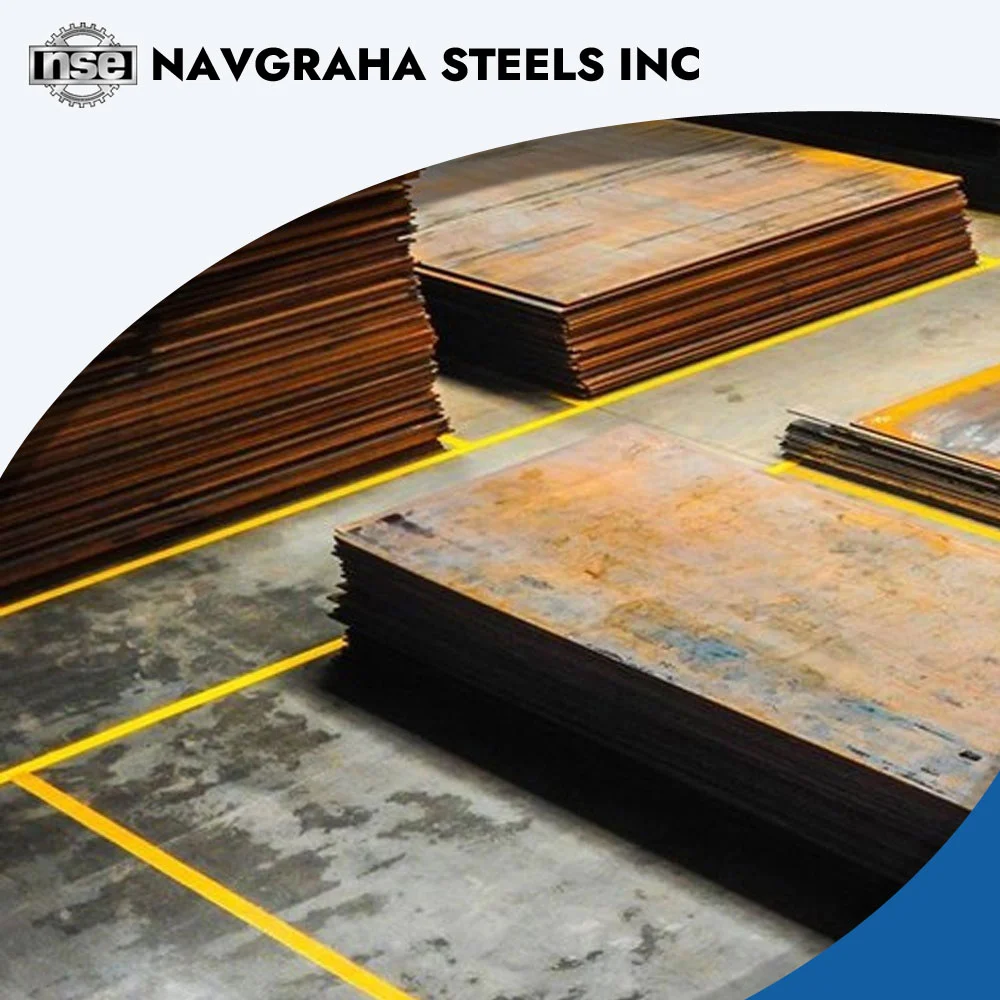
- Use proper dunnage and separation — stack steel plates and coils with wooden or rubber separators to avoid moisture trapping between surfaces.
- Inspect regularly — routine inspection of stored steel plates, sheets, and coils allows you to catch rust of steel early before it penetrates deeper into the material.
For industries where corrosion is a constant challenge — such as oil & gas refining, chemical processing, and marine applications — selecting the right grade from the start is equally important. Grades like SA 516 Gr 70 NACE and SA 516 Gr 70 HIC are specifically engineered to resist hydrogen-induced corrosion in aggressive environments — significantly reducing the risk of rust of steel in service.
Conclusion
Rust of steel is a common challenge across fabrication yards, storage facilities, and industrial plants — but with the right methods to remove rust from steel and proper maintenance practices, it is entirely manageable. From simple DIY solutions like baking soda paste and white vinegar to professional-grade oxalic acid cleaners and commercial rust removers, there’s an effective rust cleaning approach for every situation and severity level.
Most importantly, prevention is always better than cure. Storing your carbon steel and alloy steel products correctly, applying protective coatings, and choosing corrosion-resistant grades from a trusted supplier significantly reduces long-term rust of steel losses.
At Navgraha Steels INC, we supply mill-certified carbon steel plates, sheets, and coils in a wide range of grades — sourced from India’s leading mills and top global brands. Every product we supply comes with complete mill test certificates and is available with ASME, ASTM, NACE, and EN compliance — giving you material that’s built to perform and engineered to last.
Need help selecting the right corrosion-resistant grade for your project?
Contact our steel sourcing experts today and get a same-day quote.